23 Aug, 2026
How Frequent Travelers Can Maintain Better Hygiene on the Go
Travelling frequently for work, vacations, or daily commuting often disrupts regular routines, including personal hygiene habits, sleep patterns, hydration, and self-care practices. Long journeys, crowded public spaces, changing weather conditions, and limited access to fresh facilities may increase discomfort and make maintaining hygiene more challenging.
Whether travelling by flight, train, bus, or car, staying consistent with hygiene on the go is important for overall comfort, confidence, and wellness. For women especially, travel schedules may also affect intimate hygiene, skin care routines, hydration levels, and menstrual comfort.
Building simple travel wellness habits may help frequent travellers feel cleaner, fresher, and more comfortable throughout their journeys.
This article explains practical travel hygiene tips, healthy travel habits, and easy ways to maintain personal care while travelling regularly.
Why Hygiene Becomes More Challenging During Travel
Travelling often involves unpredictable schedules and changing environments.
Why Is Travel Hygiene Important?
Travel hygiene helps support cleanliness, comfort, skin health, intimate wellness, and overall wellbeing during journeys where regular hygiene routines may become disrupted.
Common Hygiene Challenges Frequent Travellers Face
Frequent travellers may experience
- Limited access to washrooms
- Long sitting hours
- Excess sweating
- Dry skin from air travel
- Irregular sleep
- Exposure to crowded spaces
- Changes in climate and water quality
These factors may affect both comfort and personal hygiene routines.
Personal Hygiene While Travelling
Maintaining simple hygiene habits may help reduce discomfort during travel.
Essential Hygiene on the Go Habits
Some useful travel hygiene tips include
- Washing hands regularly
- Carrying hand sanitiser
- Staying hydrated
- Changing clothes when needed
- Maintaining oral hygiene
- Keeping skin clean and moisturised
Consistent hygiene practices may help travellers feel fresher during long journeys.
Why Hydration Matters During Travel
Travel-related dehydration may contribute to
- Dry skin
- Fatigue
- Headaches
- Reduced comfort
Drinking enough water may help support both wellness and skin health during travel.
Women’s Travel Hygiene and Intimate Wellness
Travel routines may sometimes affect women’s intimate comfort and hygiene habits.
Intimate Hygiene During Travel
Long travel hours, sweating, tight clothing, and irregular restroom access may contribute to discomfort.
Women’s travel hygiene routines may include
- Wearing breathable clothing
- Carrying hygiene essentials
- Maintaining dryness and freshness
- Changing sanitary products regularly during menstruation
Comfort-focused routines may help support confidence during travel.
Importance of Portable Hygiene Essentials
Portable hygiene products may help travellers maintain personal care more conveniently.
Common travel self-care essentials may include
- Wet wipes
- Hand sanitiser
- Travel-sized toiletries
- Extra undergarments
- Tissues
- Hydration products
Keeping essential items easily accessible may support better hygiene management during journeys.
Healthy Travel Habits for Overall Wellness
Travel affects more than hygiene alone. It may also influence sleep, digestion, and energy levels.
Lifestyle Habits That Support Travel Wellness
Healthy travel habits may include
- Eating balanced meals
- Getting adequate rest
- Stretching during long journeys
- Managing screen exposure
- Staying physically active when possible
Small wellness habits may improve overall travel comfort.
Why Sleep and Recovery Matter
Frequent travel may disrupt sleep schedules, which can affect
- Energy levels
- Mood balance
- Skin appearance
- Physical recovery
Prioritising rest may therefore support both personal wellness and travel comfort.
Skincare and Personal Care During Travel
Environmental changes may affect skin comfort during travel.
Common Skin Concerns During Travel
Travellers may experience
- Dry skin
- Oiliness
- Sweat-related irritation
- Pollution exposure
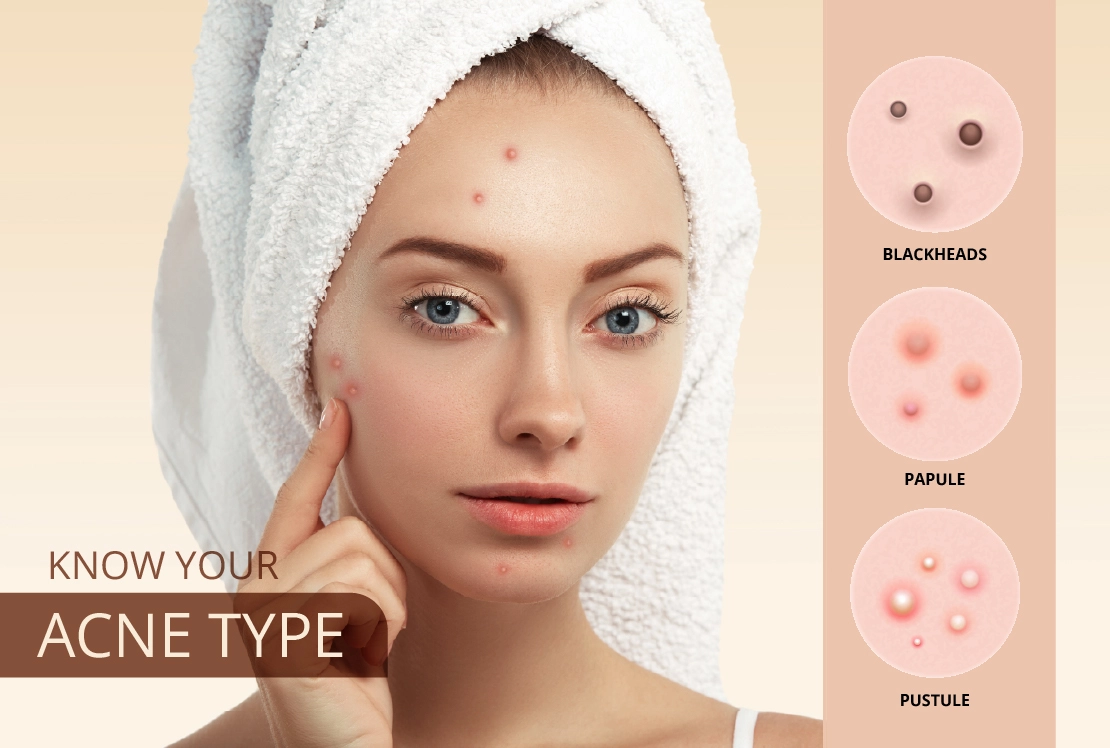
- Breakouts
Maintaining gentle skincare habits may help support skin balance during trips.
Why Minimal Self-Care Routines Work Best
Simple and manageable routines are often easier to maintain consistently while travelling.
Basic self-care practices may include
- Cleansing
- Moisturising
- Sun protection
- Hydration
Consistency often matters more than complex routines during travel.
Common User Questions About Travel Hygiene
How can travellers maintain hygiene during long journeys?
Travellers may benefit from carrying hygiene essentials, staying hydrated, washing hands regularly, and maintaining simple self-care routines.
Why is hydration important while travelling?
Hydration supports skin comfort, energy balance, and overall wellness during travel.
What should women carry for travel hygiene?
Portable hygiene essentials such as sanitiser, wipes, tissues, and intimate care products may help maintain comfort.
Can travel affect intimate wellness?
Yes. Long journeys, sweating, and irregular schedules may sometimes affect comfort and hygiene routines.
FAQ’s
What are important travel hygiene tips?
Hand hygiene, hydration, clean clothing, skincare, and portable hygiene essentials may support better travel comfort.
Why does travelling affect personal hygiene?
Travel may disrupt routines, increase sweating, reduce sleep quality, and expose individuals to crowded environments.
How can women maintain intimate hygiene while travelling?
Breathable clothing, regular hygiene care, hydration, and carrying personal care essentials may help support comfort.
Can travel affect skin health?
Yes. Pollution, dehydration, weather changes, and long travel hours may affect skin comfort and appearance.
What are healthy travel habits?
Balanced meals, hydration, movement, sleep, and hygiene routines may support overall wellness during travel.
Why are portable hygiene essentials useful?
Portable products make it easier to maintain cleanliness and comfort during long or busy journeys.
Key Takeaways
- Travel hygiene is important for comfort and wellness
- Personal hygiene while travelling may become challenging during long journeys
- Women’s travel hygiene routines may support intimate comfort and freshness
- Hydration and skincare are important during travel
- Portable hygiene essentials help maintain hygiene on the go
Conclusion
Frequent travel can easily disrupt everyday hygiene and wellness routines, especially during long journeys, busy schedules, or changing environments. However, maintaining simple hygiene habits while travelling may help support comfort, freshness, confidence, and overall wellbeing throughout the trip.
Small practices such as staying hydrated, carrying portable hygiene essentials, prioritising skincare, and maintaining intimate hygiene may make travelling feel healthier and more manageable. Consistency in self-care often becomes especially important when routines are constantly changing.
For women looking for wellness-focused support related to women’s travel hygiene, intimate wellness, and personal care on the go, BBOLD Women’s Wellness Products offers women-centric wellness products designed to support feminine care, hygiene comfort, and modern lifestyle needs during everyday routines and travel.
Prioritising hygiene and self-care while travelling may help women feel more refreshed, comfortable, and confident wherever their journeys take them.
Written by -
Share On