15 Apr, 2026
TPE vs Silicone Menstrual Cup: Which Is Better?
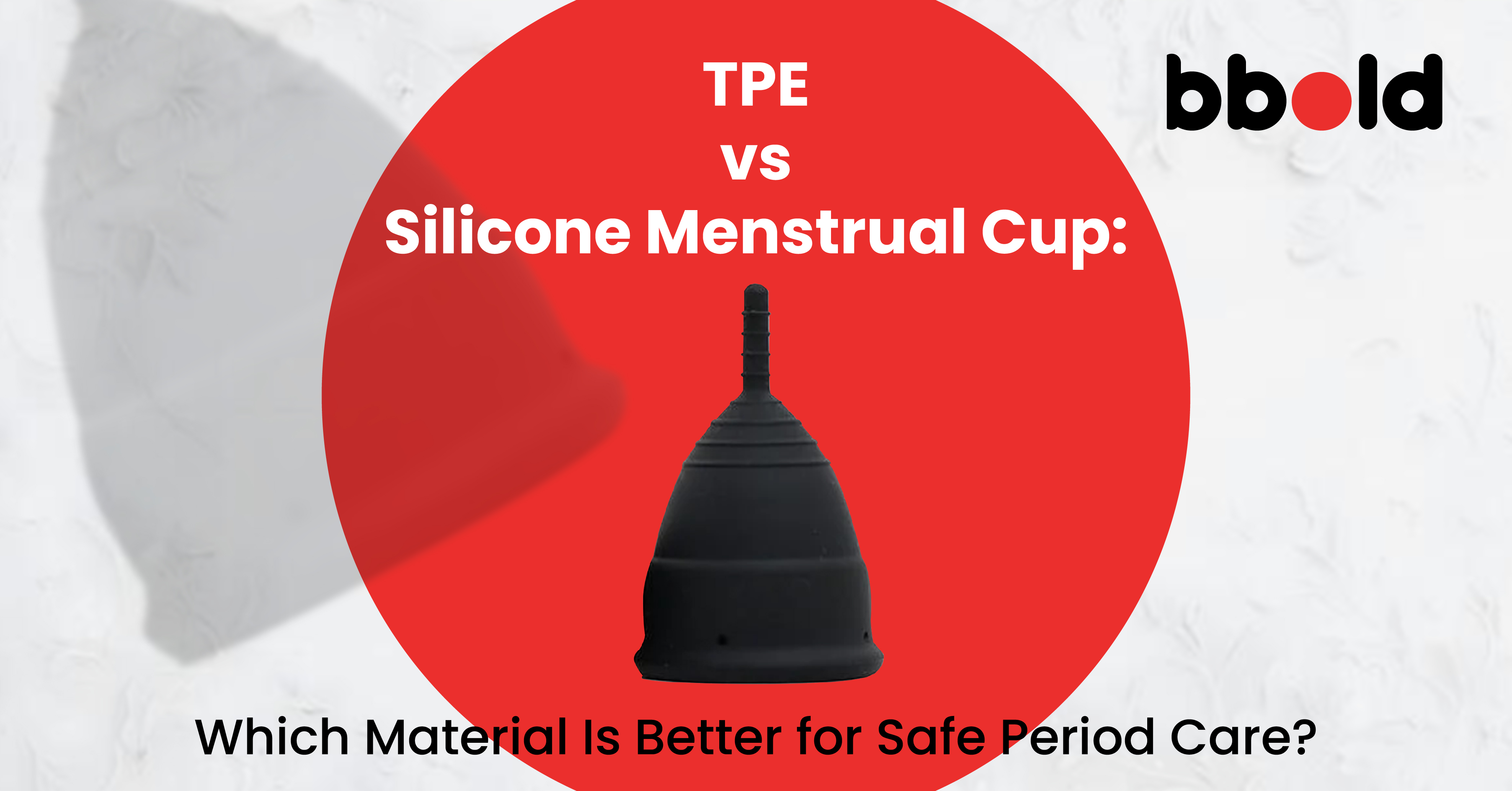
Choosing the right menstrual cup often comes down to the material. Two common options are TPE (Thermoplastic Elastomer) and medical grade silicone menstrual cups. Both are widely used for period care, but they differ in flexibility, durability, and long-term usability. Understanding these differences helps women select a safe menstrual cup material that suits their comfort, lifestyle, and experience level.
Why Menstrual Cup Material Matters
When selecting a reusable menstrual product, the material plays a key role in comfort, safety, and durability.
A good menstrual cup should be:
- Flexible and comfortable
- Easy to insert and remove
- Safe for intimate use
- Suitable for long-term reuse
This is why comparing silicone vs TPE menstrual cups is an important step in any menstrual cup buying guide.
What Is a Silicone Menstrual Cup?
Benefits of Medical Grade Silicone
A medical grade silicone menstrual cup is made from high-quality silicone designed for body-safe applications. It is known for its durability, smooth texture, and flexibility.
Silicone cups are popular because they:
- Maintain their shape well
- Are suitable for long-term reuse
- Offer a soft, comfortable feel
Many brands offering the best menstrual cup in India use medical grade silicone because it provides reliable performance for daily period care.
What Is a TPE Menstrual Cup?
Key Features of TPE
TPE is another flexible material used in menstrual cups. It combines rubber-like softness with plastic-like mouldability.
Some characteristics of TPE cups include:
- Flexible and lightweight structure
- Smooth surface texture
- Generally designed for comfortable insertion
However, TPE cups may not always have the same long-term durability as silicone cups.
Silicone vs TPE Menstrual Cup - Key Differences
Understanding the menstrual cup material comparison helps make a better choice.
| Feature | Silicone Menstrual Cup | TPE Menstrual Cup |
|---|---|---|
| Material type | Medical grade silicone | Thermoplastic elastomer |
| Durability | Long-lasting | Moderate |
| Flexibility | Soft yet stable | Very flexible |
| Reusability | Designed for multiple cycles | May vary by product |
| Popularity | Widely used | Less common |
Both materials can be suitable, but many users prefer medical grade silicone menstrual cups for their durability and consistency.
Which Menstrual Cup Material Is Better?
When asking which menstrual cup material is better, the answer often depends on personal preference.
Why Silicone Cups Are Often Preferred
Silicone menstrual cups are widely chosen because they offer:
- Long-lasting durability
- Comfortable flexibility
- Reliable structure during insertion and removal
For many users, silicone provides a balanced combination of comfort and usability.
Choosing the Best Menstrual Cup Material
Comfort and Flexibility
A cup should feel soft and adapt to your body naturally.
Ease of Use
Beginners often prefer cups that maintain their shape while inserting.
Reusability
Reusable cups designed for multiple cycles can make period care more sustainable.
Trusted Materials
Choosing a safe menstrual cup material ensures comfort and peace of mind during use.
Products such as bbold menstrual cups for women, made from medical grade silicone, are designed to provide a comfortable and reusable option for modern period care.
Menstrual Cup for Beginners - What to Know
Start with the Right Size
Most cups come in different sizes based on age, flow, or comfort preference.
Practice Makes It Easier
Using a menstrual cup for beginners may involve a short learning curve, but many users find it convenient once they get used to it.
Focus on Comfort
A flexible silicone cup can make insertion and removal easier for first-time users.
Why Menstrual Cups Are Becoming Popular in India
Awareness of sustainable and reusable period care is growing. Many women in India are switching to menstrual cups because they offer:
- Long wear time
- Reusability
- Reduced product waste
- Convenient period management
This shift has made the menstrual cup India for beginners a commonly searched topic among first-time users exploring modern period care options.
FAQs
Is silicone a safe material for menstrual cups?
Yes, medical grade silicone is widely considered safe, durable, and suitable for repeated use.
Which menstrual cup material is best for beginners?
Silicone cups are often recommended because they are easier to handle and insert.
How long can a menstrual cup be used?
With proper care, a reusable menstrual cup can last several years.
Are menstrual cups popular in India?
Yes, more women are switching to menstrual cups for convenience and sustainability.
Conclusion
Choosing between silicone vs TPE menstrual cups ultimately depends on comfort, flexibility, and long-term usability. While both materials can support reusable period care, medical grade silicone menstrual cups are widely preferred for their durability and reliability.
For women exploring sustainable options, a well-designed menstrual cup can be a practical addition to modern period care routines in India, offering comfort and convenience across multiple cycles.
Written by -
Share On