08 Aug, 2026
The Hidden Impact of Daily Stress on Intimate Wellness and Hormonal Balance
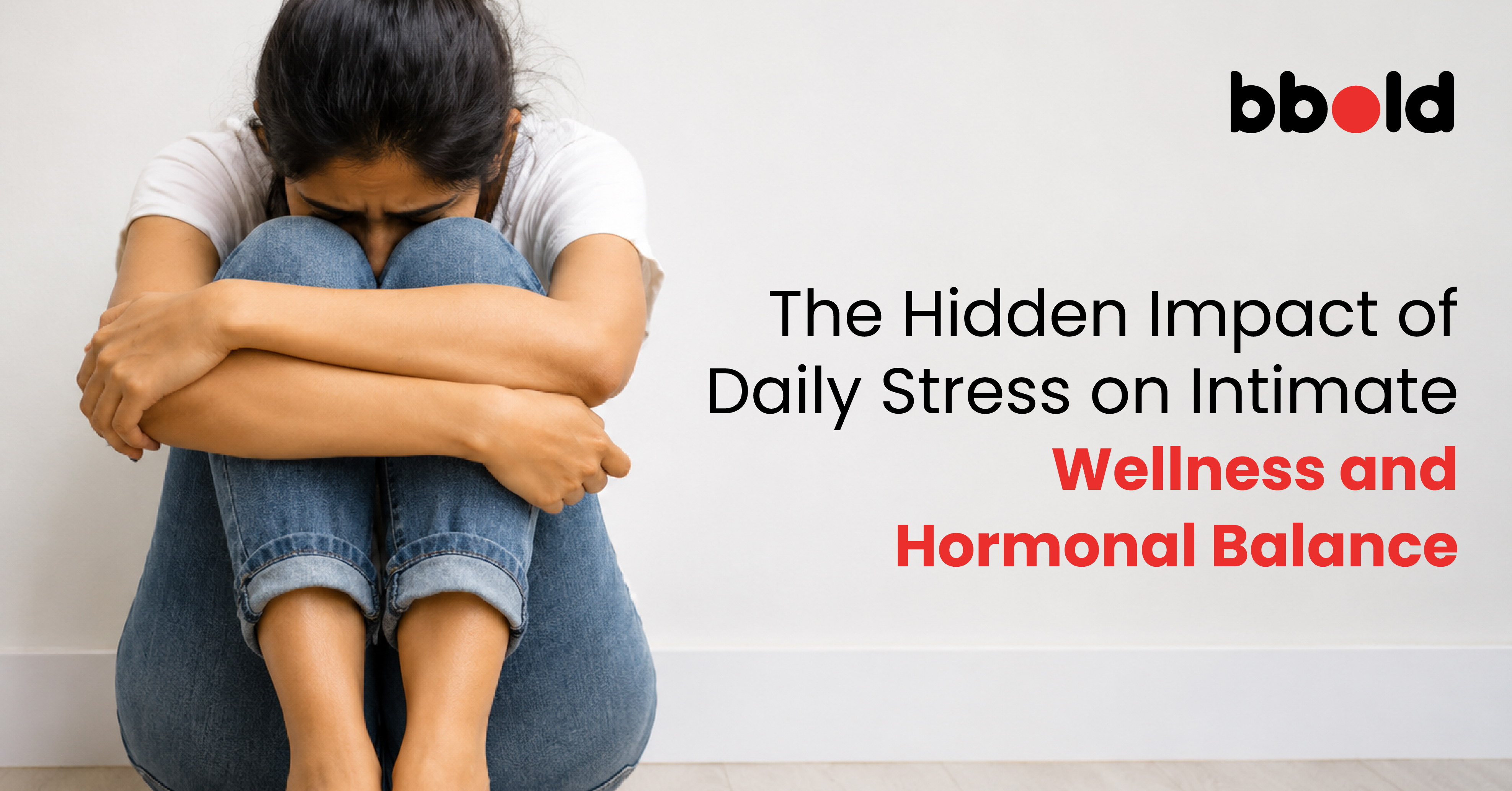
Modern life often involves constant deadlines, emotional pressure, irregular sleep, screen exposure, and busy schedules. While occasional stress is a natural part of life, ongoing emotional and physical stress may gradually affect multiple aspects of women's health — including hormonal balance, energy levels, mood, sleep, and intimate wellness.
Many women focus on visible symptoms such as fatigue or mood swings without realising that chronic stress may also influence hormonal health and overall intimate wellbeing. Over time, emotional stress and hormones become closely connected, potentially affecting menstrual health, emotional stability, energy, and body comfort.
Understanding how stress affects the body may help women recognise early signs of imbalance and support long-term wellness more effectively.
This article explains the connection between stress and hormonal balance, how stress may influence intimate wellness, and simple lifestyle habits that may help support women's overall wellbeing.
How Stress Affects Women's Hormonal Health
Stress triggers physical and emotional responses throughout the body.
Can Stress Affect Hormonal Balance?
Yes. Chronic stress may influence hormone regulation, sleep quality, mood, energy levels, and menstrual health. Emotional stress and hormones are closely connected through the body's stress-response system.
The Body's Stress Response System
When the body experiences stress, it releases hormones such as cortisol and adrenaline. Short-term stress responses are normal, but prolonged stress may disrupt hormonal balance over time.
Stress-related hormonal changes may influence
- Sleep patterns
- Mood stability
- Energy levels
- Menstrual cycles
- Appetite
- Emotional wellbeing
This is why stress affecting women's health may sometimes appear through multiple physical and emotional symptoms.
Stress and Intimate Wellness
Emotional wellbeing and intimate health are closely connected.
How Intimate Wellness and Stress Are Related
Ongoing stress may affect intimate wellness by influencing
- Hormonal balance
- Emotional comfort
- Physical energy
- Mood
- Self-confidence
- Sleep quality
Women experiencing chronic stress may sometimes notice changes in overall body comfort and emotional wellbeing.
Why Hormonal Balance Matters for Women
Women's hormones help regulate several important body functions, including
- Menstrual cycles
- Reproductive health
- Mood regulation
- Sleep
- Metabolism
- Emotional balance
When stress levels remain high for extended periods, these natural hormonal processes may become disrupted.
Common Signs of Stress-Related Hormonal Imbalance
Hormonal imbalance symptoms may develop gradually and differ between individuals.
Symptoms Women Commonly Experience
Some common signs linked to stress and hormonal imbalance may include
- Fatigue
- Mood swings
- Sleep difficulties
- Low energy
- Menstrual irregularities
- Emotional exhaustion
- Increased irritability
- Difficulty concentrating
Stress related fatigue in women may sometimes become more noticeable during emotionally demanding periods.
Why Sleep and Stress Are Closely Linked
Poor sleep and chronic stress often influence each other. Lack of proper rest may worsen hormonal stress responses and affect recovery.
Sleep disruption may also affect
- Emotional stability
- Energy restoration
- Mental focus
- Physical recovery
This cycle may gradually impact overall women's wellness and stress management.
Lifestyle Habits That May Influence Hormonal Wellness
Daily routines may play an important role in supporting emotional and hormonal balance.
Healthy Lifestyle Habits for Women's Wellness
Women may benefit from
- Maintaining regular sleep routines
- Managing emotional stress
- Staying physically active
- Practising relaxation techniques
- Eating balanced meals
- Staying hydrated
- Taking breaks from screen exposure
Consistent wellness habits may help support emotional and physical balance over time.
Why Emotional Self-Care Matters
Self-care is not limited to skincare or fitness. Emotional recovery, stress reduction, and mental wellbeing are also important parts of intimate wellness and stress management.
How Stress May Affect Daily Quality of Life
Many women continue managing work, family, and personal responsibilities while ignoring ongoing stress symptoms.
Emotional Stress and Everyday Functioning
Chronic stress may influence
- Productivity
- Mood stability
- Confidence
- Energy
- Motivation
- Social wellbeing
Recognising early signs of imbalance may help women support overall wellness before symptoms worsen.
Importance of Hormonal Awareness
Tracking changes in mood, sleep, fatigue, and menstrual health may help women better understand how stress is affecting their body and hormonal health.
Wellness Support for Women's Intimate Health
Women's wellness routines increasingly focus on supporting both physical and emotional wellbeing.
High-Level Wellness Support Approaches
Women commonly explore wellness support options related to
- Hormonal balance
- Emotional wellness
- Intimate care
- Energy support
- Lifestyle wellness
These approaches are generally combined with healthy routines and professional healthcare guidance when needed.
Why Women's Wellness Awareness Is Growing
More women are now recognising the connection between emotional health, hormonal balance, and intimate wellness as part of overall long-term wellbeing.
Common User Questions About Stress and Hormonal Health
Can stress affect women's hormones?
Yes. Chronic stress may influence hormone regulation and contribute to fatigue, mood changes, and menstrual irregularities.
Does stress affect intimate wellness?
Stress may affect emotional wellbeing, energy, hormonal balance, and overall intimate comfort.
What are common hormonal imbalance symptoms?
Symptoms may include fatigue, mood swings, irregular periods, poor sleep, and emotional exhaustion.
How can women support hormonal wellness naturally?
Healthy sleep, balanced nutrition, stress management, hydration, and regular physical activity may support hormonal health.
FAQ's
How does stress affect hormonal balance?
Stress hormones such as cortisol may influence the body's natural hormonal regulation over time.
Can emotional stress affect menstrual cycles?
Yes. Stress may sometimes contribute to cycle irregularities and hormonal fluctuations.
Why does stress cause fatigue in women?
Chronic stress may affect sleep, recovery, emotional balance, and energy regulation.
Is intimate wellness connected to emotional health?
Yes. Emotional wellbeing and hormonal balance are closely connected to intimate wellness.
Can lifestyle habits improve hormonal wellness?
Healthy routines may help support emotional balance, sleep quality, and hormonal wellbeing.
When should women seek professional health advice?
Persistent fatigue, severe mood changes, or ongoing hormonal symptoms should be professionally evaluated.
Key Takeaways
- Stress and hormonal balance are closely connected
- Chronic stress may affect women's intimate wellness and emotional health
- Hormonal imbalance symptoms may include fatigue, mood changes, and sleep disruption
- Lifestyle and hormonal health influence overall wellbeing
- Healthy routines may help support emotional and hormonal balance
Conclusion
Daily stress may seem unavoidable in modern life, but ongoing emotional pressure can gradually influence much more than mood alone. Over time, stress affecting women's health may impact hormonal balance, sleep quality, emotional wellbeing, energy levels, and intimate wellness in ways that are often overlooked.
Building healthier routines that prioritise emotional self-care, balanced nutrition, rest, hydration, and stress management may help women better support their hormonal and intimate health over the long term. Recognising early signs of imbalance is an important step towards maintaining overall wellness and body confidence.
For women looking for wellness-focused support related to intimate wellness and stress, hormonal balance, and self-care routines, BBOLD Women's Wellness Products offers women-centric wellness solutions designed to support feminine care, intimate wellness, and modern lifestyle needs.
Supporting emotional wellbeing alongside physical health may help women feel more balanced, confident, and comfortable in everyday life.
Written by -
Share On