15 Jun, 2026
Wearing a Menstrual Cup While Sleeping? Read This First
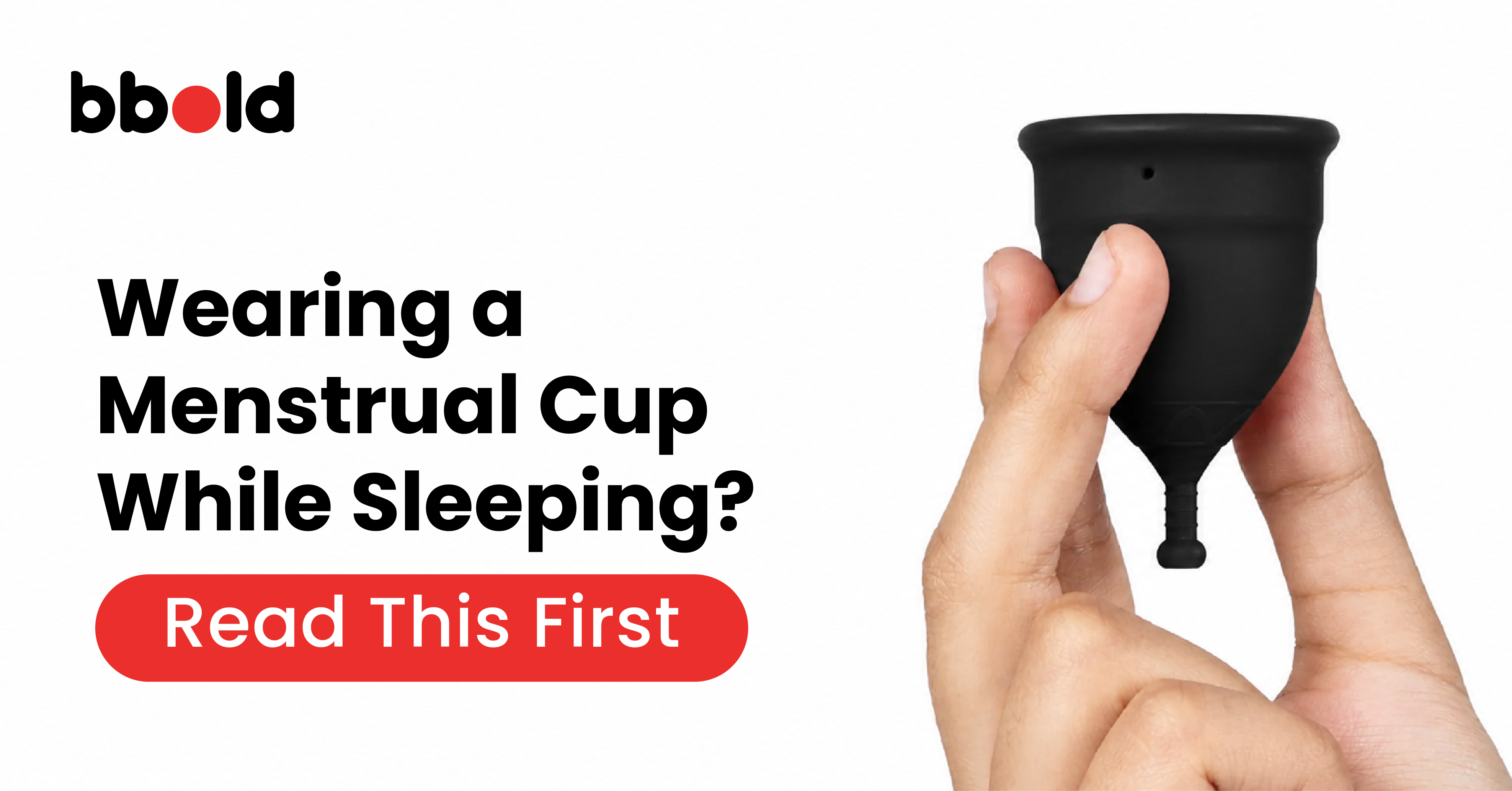
Yes, sleeping with a menstrual cup is generally considered safe when used correctly. A menstrual cup for overnight use is designed to provide long-lasting protection, making it a convenient option for uninterrupted sleep. Understanding how long to wear a menstrual cup and following basic menstrual cup safety tips can help ensure comfort and confidence throughout the night.
Can You Sleep with a Menstrual Cup Overnight?
Many women wonder, is a menstrual cup safe overnight? The answer is yes—when used as directed, menstrual cups are designed for extended wear, including during sleep.
Unlike traditional products that may require frequent changing, a menstrual cup overnight use option allows for longer wear time, reducing the need to wake up during the night.
This makes it especially useful for those looking for a more convenient and uninterrupted sleep experience during periods.
Why Menstrual Cups Are Suitable for Overnight Use
Longer Wear Time
One of the key benefits of using a menstrual cup is its ability to provide extended protection. Understanding how long to wear a menstrual cup is important—many cups are designed to be worn for several hours, depending on individual flow and product guidelines.
Reduced Night-Time Disturbance
Using a menstrual cup for overnight use means fewer interruptions. There’s typically no need to wake up to change products, allowing for more restful sleep.
Comfortable Internal Fit
A properly inserted menstrual cup sits securely inside the body, adapting to natural movement. This can help reduce period night discomfort and allow for more comfortable sleeping positions.
Leak-Resistant Design
Many modern cups are designed to create a secure seal, which helps minimise the chances of leakage. This can reduce anxiety about staining bedsheets and improve confidence while sleeping.
Products like bbold menstrual cups for women, made from medical grade silicone, are designed for flexibility and comfort, making them suitable for both day and night use.
How to Use a Menstrual Cup Overnight Safely
Following proper usage steps is key to a comfortable experience.
Step 1 – Insert the Cup Correctly
Ensure the cup is folded and inserted properly so it opens fully inside the vaginal canal.
Step 2 – Check Placement
A well-positioned cup should feel comfortable and stay in place without causing pressure.
Step 3 – Wear Within Recommended Time
Always follow product guidelines for how long to wear a menstrual cup. Wearing within the recommended duration supports safe and comfortable use.
Step 4 – Empty and Clean in the Morning
After waking up, remove the cup, empty its contents, rinse, and reinsert if needed.
Menstrual Cup Safety Tips for Overnight Use
To ensure a safe and comfortable experience, follow these menstrual cup safety tips:
- Wash your hands before and after handling the cup
- Clean the cup properly before use
- Ensure correct insertion to avoid discomfort
- Use the right size based on your needs
- Avoid exceeding recommended wear time
These simple practices help maintain hygiene and comfort during sleeping with a menstrual cup.
Common Concerns About Sleeping with a Menstrual Cup
Will It Leak While Sleeping?
A properly inserted cup creates a seal that helps reduce leakage. Choosing the correct size and ensuring proper placement are important factors.
Can It Be Uncomfortable at Night?
When inserted correctly, most women do not feel the cup. Its flexible design allows for comfortable movement during sleep.
What If I Move a Lot During Sleep?
Menstrual cups are designed to stay in place even with movement, making them suitable for different sleeping positions.
Menstrual Cup for Beginners – Overnight Use Tips
If you are new to menstrual cups, using them overnight may feel unfamiliar at first.
Practice During the Day First
Trying the cup during the day helps you understand insertion and removal before using it overnight.
Choose a Comfortable Size
Selecting the right size ensures better fit and reduces the chances of discomfort.
Stay Relaxed
Relaxation helps with easier insertion and removal, especially for beginners.
Why Menstrual Cups Are Gaining Popularity in India
In India, many women are switching to menstrual cups due to:
- Convenience and longer wear time
- Reusability and reduced waste
- Comfortable and modern period care
This growing awareness is making the use of menstrual cups overnight a popular choice among women looking for practical and reliable solutions.
FAQs
Is it safe to sleep with a menstrual cup?
Yes, sleeping with a menstrual cup is generally safe when used as directed and within recommended wear time.
How long can I wear a menstrual cup overnight?
It depends on the product and flow, but always follow guidelines for how long to wear a menstrual cup.
Can beginners use a menstrual cup overnight?
Yes, but beginners may prefer practising during the day first before trying overnight use.
Will a menstrual cup leak at night?
When inserted correctly, a menstrual cup is designed to minimise leakage and provide reliable overnight protection.
Conclusion
Sleeping with a menstrual cup can be a comfortable and convenient option for managing periods overnight. With proper usage, correct sizing, and following essential menstrual cup safety tips, women can enjoy uninterrupted sleep without frequent changes.
Products like bbold menstrual cups for women, made from medical grade silicone, are designed to support both comfort and reliability—making them a practical choice for modern, stress-free period care.
Written by -
Share On