24 Dec, 2025
The Essential Guide to Toilet Seat Sanitizer Spray: Benefits and Best Practices
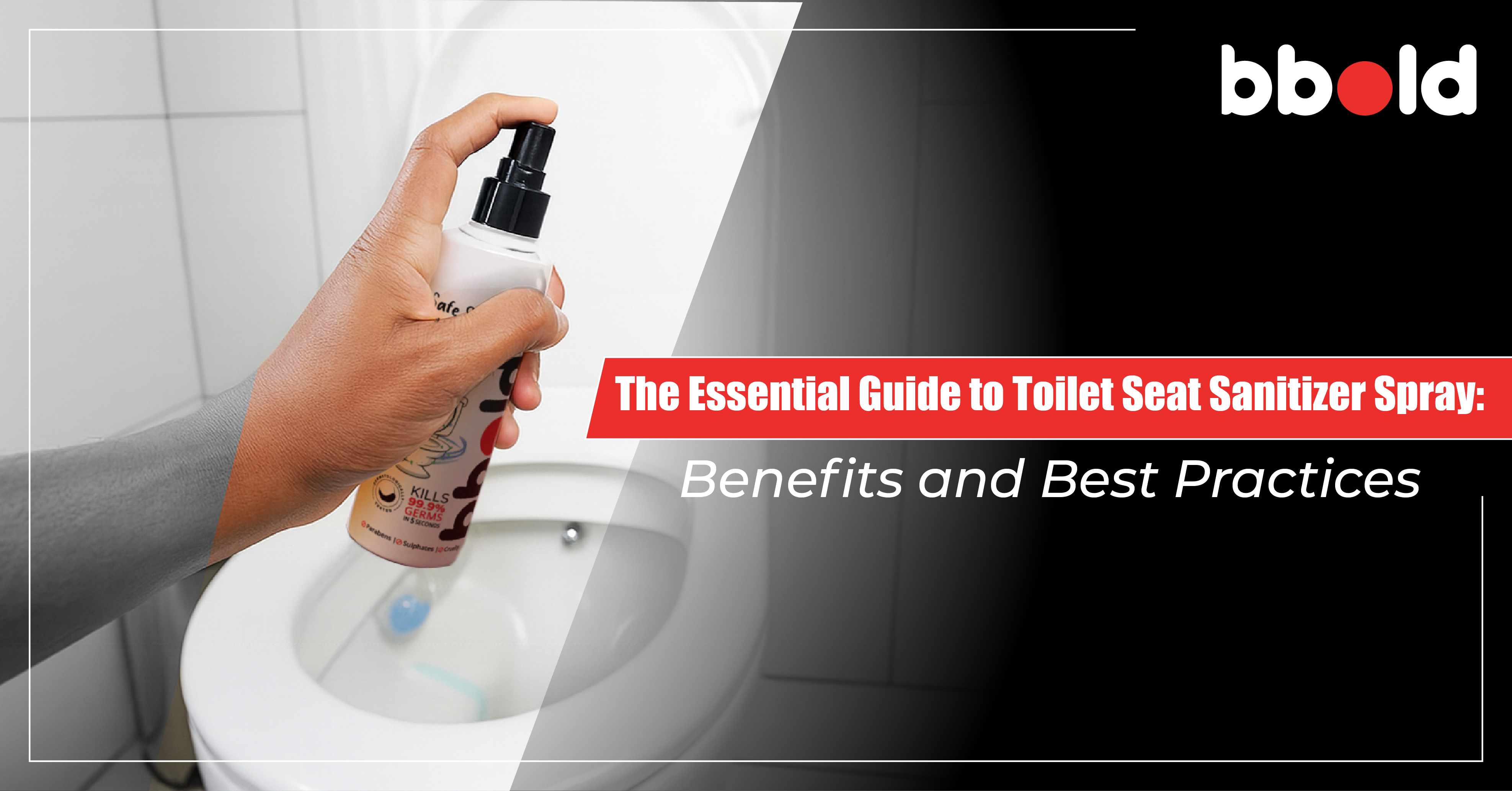
Public Toilet Hygiene: Why a Toilet Seat Sanitizer Spray Is Now Essential
Introduction
Public toilets are a reality of modern life. Whether you are travelling, commuting, shopping, or managing daily routines with children, shared restrooms are often unavoidable. Yet they remain one of the most overlooked sources of germ exposure.
This is where a toilet seat sanitizer spray becomes more than a convenience - it becomes a hygiene essential.
Here is a in-depth guide,
where we will explore
why toilet seat hygiene matters?
how a toilet hygiene spray works?
who benefits most?
Best practices for safe and effective use
These insights will help you make informed choices for everyday protection.
Why Toilet Seat Hygiene Is More Important Than You Think
Public toilet seats can harbour a wide range of microorganisms, including bacteria and viruses that survive on surfaces for hours.
Touching contaminated surfaces can increase the risk of:
- Skin irritation and infections
- Urinary tract infections (UTIs), especially in women
- Stomach bugs caused by surface-to-hand transfer
- Cross-contamination in children with developing immunity
While many people use tissues or wipe seats with water, these methods do not disinfect. They simply spread germs around.
A toilet seat disinfectant spray is designed to solve this exact problem - offering fast, targeted germ protection where it matters most.
What Is a Toilet Seat Sanitizer Spray?
A toilet seat sanitizer spray is a specially formulated hygiene product that helps neutralise germs on toilet seats before use.
Unlike general cleaners, it is:
- Quick drying
- Designed for direct contact surfaces
- Portable and easy to use
- Suitable for travel and public restrooms
It creates a cleaner, more hygienic barrier between you and shared toilet surfaces.
How a Toilet Hygiene Spray Works
A quality toilet hygiene spray works in three simple steps:
- Spray directly onto the toilet seat surface
- Allow it to act for a few seconds
- Wipe or let it dry before sitting
This process helps reduce germ presence and supports safer restroom use, even in high-traffic public toilets.
Key Benefits of Using a Toilet Seat Sanitizer Spray
1. Reliable Germ Protection
A germ protection toilet spray helps minimise exposure to surface bacteria, especially in public or shared toilets.
2. Ideal for Travel and Outdoor Use
A compact toilet sanitizer for travel fits easily into handbags, backpacks, and carry-on luggage - making hygiene accessible anywhere.
3. Supports Women's Intimate Hygiene
Women are more vulnerable to UTIs from contaminated surfaces. A toilet disinfectant for women adds an extra layer of reassurance in public restrooms.
4. Safe Hygiene for Children
Children often touch surfaces unknowingly. A toilet seat sanitizer for kids supports cleaner bathroom use when travelling with family.
5. Peace of Mind in Public Spaces
Using a public toilet hygiene spray reduces anxiety around shared bathrooms - especially in malls, offices, airports, and hospitals.
Who Should Always Carry a Bathroom Hygiene Spray?
A bathroom hygiene spray is particularly useful for:
- Frequent travellers
- Office commuters
- Parents with young children
- Pregnant women
- Elderly individuals
- Anyone with a sensitive immune system
If you regularly use public toilets, this is a practical addition to your daily essentials.
Best Practices for Using Toilet Seat Sanitizer Spray
To get the most benefit from your toilet seat cleaning spray, follow these best practices:
- Spray evenly across the seat surface
- Allow brief contact time before wiping
- Avoid overuse - a light spray is sufficient
- Do not mix with other cleaning products
- Store in a cool, dry place
If used correctly, a toilet seat disinfectant spray becomes a reliable hygiene habit rather than an occasional fix.
Common Myths About Toilet Seat Sanitizers
Myth 1: Toilet paper is enough
Toilet paper does not disinfect and may spread germs.
Myth 2: Only visibly dirty seats are risky
Germs are invisible. Clean-looking surfaces can still be contaminated.
Myth 3: Hand sanitizer works the same
Hand sanitisers are not designed for surface disinfection and may not be effective on toilet seats.
A dedicated toilet hygiene spray is formulated specifically for this purpose.
Choosing the Right Toilet Hygiene Spray
When selecting a toilet seat sanitizer spray, look for:
- Skin-friendly formulation
- Quick-drying action
- Easy portability
- Designed for direct-contact surfaces
- Suitable for women and children
A thoughtfully designed spray ensures safety, comfort, and everyday usability.
Why Toilet Seat Hygiene Is a Modern Essential
Hygiene today is not about fear - it is about awareness and smart prevention.
Using a toilet seat sanitizer spray is a small action that supports:
- Better personal hygiene
- Reduced germ exposure
- Greater confidence in public spaces
Just as hand hygiene became a daily habit, toilet seat hygiene is fast becoming part of responsible self-care.
Frequently Asked Questions
Is toilet seat sanitizer spray safe for daily use?
Yes, when used as directed, it is suitable for regular public toilet use.
Can children use toilet hygiene spray?
With adult supervision, it can support safer bathroom hygiene for children.
Is it useful even in clean-looking toilets?
Yes. Germs are not always visible, especially in high-traffic restrooms.
Can it be used while travelling?
Absolutely. A toilet sanitizer for travel is designed for portability and convenience.
Conclusion
Public toilets are unavoidable - but poor hygiene does not have to be.
By making a toilet seat sanitizer spray part of your routine, you take a proactive step towards cleaner, safer everyday experiences for yourself and your family.
In a world where hygiene awareness is higher than ever, small habits create meaningful protection
Written by -
Share On