27 Apr, 2026
Period Insomnia: How to Sleep Better During Your Period
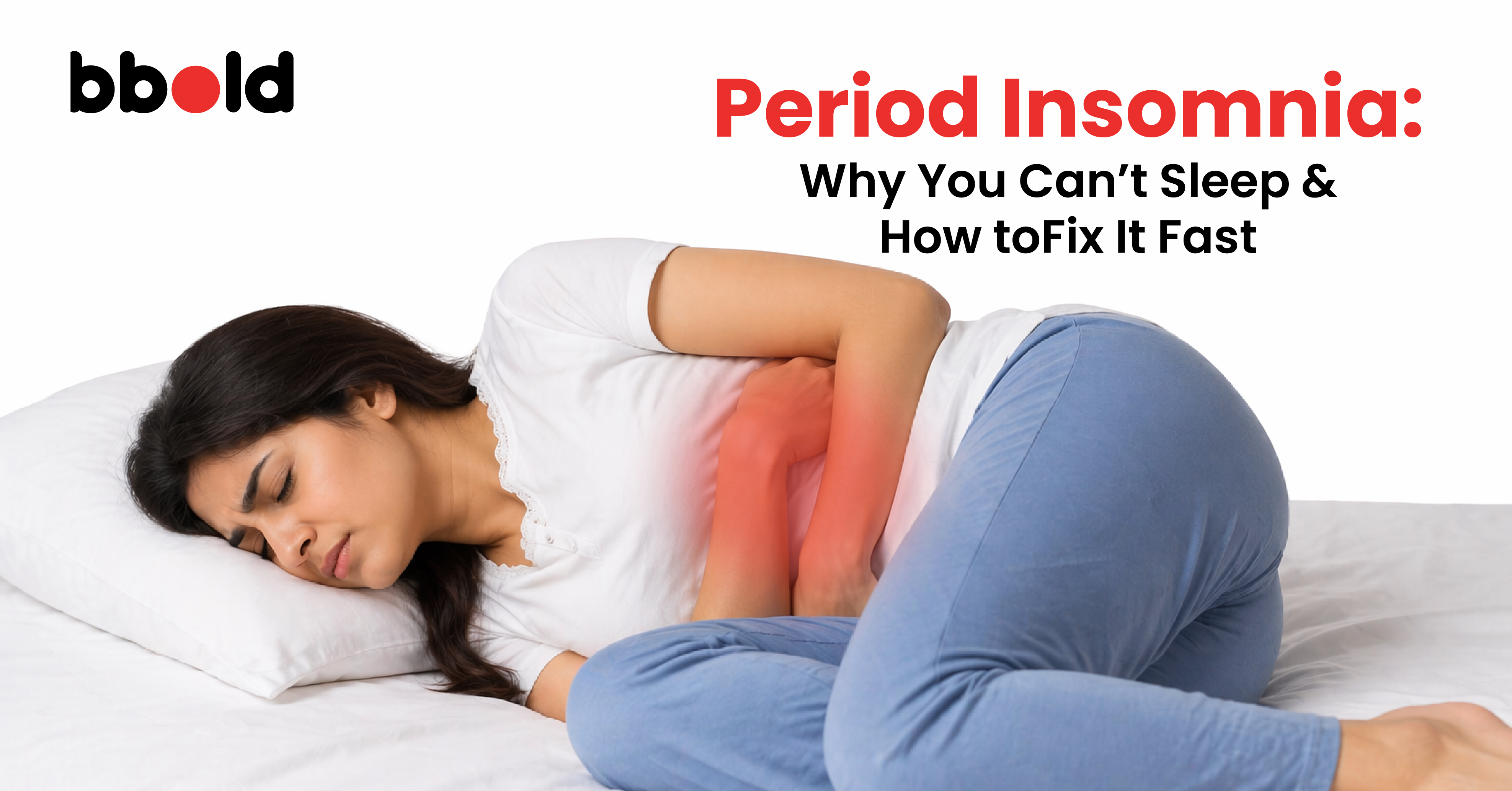
Many women experience sleep problems during periods, commonly known as period insomnia. Hormonal changes, cramps, and night-time discomfort can interrupt sleep during menstruation. Using comfortable period products like a leak-free menstrual cup or menstrual disc for overnight protection, along with simple sleep habits, can help improve rest and reduce period sleep disturbance.
What Is Period Insomnia?
Period insomnia refers to difficulty falling asleep or staying asleep during menstruation. Some women notice restless nights, frequent waking, or general discomfort while trying to sleep.
Common experiences include:
- Trouble falling asleep
- Waking up during the night
- Feeling restless or uncomfortable
- Anxiety about leaks or staining bedding
While these symptoms vary, many women search for ways to sleep better during periods and maintain a restful routine.
Why You Can’t Sleep During Your Period
Hormonal Changes
During menstruation, hormone levels fluctuate naturally. These changes may influence the body’s sleep cycle, making it harder to relax and fall asleep.
This is one of the common menstrual insomnia causes many women experience each month.
Period Cramps and Physical Discomfort
Lower abdominal cramps or back discomfort may make it difficult to stay in a comfortable sleeping position.
When the body feels tense or sore, it may lead to period sleep disturbance during the night.
Night-Time Leak Anxiety
Many women worry about leaks when using traditional sanitary products overnight. This concern alone can disrupt sleep and cause frequent waking.
Choosing products designed for overnight period protection, such as a menstrual cup or menstrual disc, may help reduce this worry.
How Menstrual Products Affect Sleep Quality
Limitations of Traditional Products
Pads or tampons may require frequent changes and may shift during sleep. This sometimes leads to discomfort or concerns about leakage.
These concerns can contribute to period night discomfort, which may interrupt rest.
Why Many Women Prefer Menstrual Cups for Overnight Use
A menstrual cup for overnight protection sits comfortably inside the body and collects menstrual flow rather than absorbing it.
Benefits may include:
- Long wear time
- Reduced need for night-time changes
- Comfortable internal fit
Because of these features, many women consider menstrual cups a convenient option for sleeping during periods.
Menstrual Disc Overnight Use
Another modern option is the menstrual disc, which sits higher in the vaginal canal and is designed to collect menstrual flow.
Many users choose a menstrual disc for overnight use because it can provide:
- Comfortable internal placement
- Reliable overnight support
- Freedom to sleep in different positions
Products like bbold reusable menstrual discs and menstrual cups are designed to offer comfortable overnight period protection, helping reduce worries about leaks.
Tips to Sleep Better During Your Period
Improving sleep during menstruation often involves a combination of comfort habits and the right period products.
Choose Reliable Overnight Protection
Using a leak-free menstrual cup at night or a menstrual disc overnight can help reduce anxiety about staining bedsheets and allow you to sleep more comfortably.
Create a Relaxing Night Routine
A calming bedtime routine can help signal your body that it is time to rest.
Helpful habits include:
- Taking a warm shower
- Practising deep breathing
- Avoiding screens before bed
These simple practices may improve your ability to sleep better during periods.
Sleep in Comfortable Positions
Some sleeping positions may feel more comfortable during menstruation.
For example:
- Sleeping on your side
- Slightly bending the knees
- Using a supportive pillow
These adjustments can sometimes reduce period night discomfort.
Stay Hydrated Throughout the Day
Drinking enough water during the day supports overall body balance and may help reduce bloating or heaviness that can contribute to period sleep disturbance.
Period Care Trends in India
Awareness of modern period products is growing in India. Many women are exploring reusable and comfortable alternatives such as:
- Menstrual cups
- Menstrual discs
- Reusable period products
These solutions are becoming popular because they offer convenience, sustainability, and reliable overnight protection, especially for women looking for better ways to manage sleep problems during periods.
FAQs
Why can’t I sleep during my period?
Hormonal changes, cramps, and discomfort from menstrual products can contribute to period insomnia and sleep disturbance during menstruation.
Can menstrual cups be used overnight?
Yes. Many women use a menstrual cup for overnight protection because it can provide longer wear time and reduce the need for night-time changes.
Is a menstrual disc suitable for sleeping?
A menstrual disc overnight can be comfortable for many users as it sits internally and is designed to collect menstrual flow.
How can I improve sleep during periods?
Choosing comfortable period products, maintaining a relaxing bedtime routine, and creating a calm sleep environment may help improve sleep during periods.
Conclusion
Period insomnia is a real experience for many women, often caused by hormonal changes, cramps, and concerns about overnight protection. Fortunately, simple adjustments such as improving bedtime habits and choosing comfortable menstrual products can help support better rest.
Using reliable options like bbold menstrual cups or menstrual discs for overnight protection may help reduce worries about leaks and allow women to sleep more comfortably during their periods.
Written by -
Share On