31 Jul, 2026
Why Do Periods Feel More Exhausting on Certain Months? Understanding Cycle Fatigue
Many women notice that some months their periods feel manageable, while during other cycles they experience overwhelming tiredness, low motivation, mood changes, and physical exhaustion. This type of menstrual fatigue is extremely common and may affect daily productivity, emotional wellbeing, sleep quality, and overall comfort.
Hormonal fluctuations naturally occur throughout the menstrual cycle, but several lifestyle and health-related factors can influence how strongly those changes affect the body each month. Stress, poor sleep, nutritional habits, dehydration, and emotional health may all contribute to increased period fatigue during certain cycles.
Understanding the reasons behind low energy during menstruation may help women better support their hormonal health and overall wellbeing.
This article explains common menstrual fatigue causes, how hormonal changes affect energy levels, and practical wellness habits that may help support women during more physically demanding cycles.
What Is Period Fatigue?
Period fatigue refers to physical and mental tiredness experienced before or during menstruation.
Why Do Women Feel Tired During Periods?
Women may feel tired during periods because hormonal fluctuations, blood loss, sleep disruption, stress, and physical symptoms such as cramps can temporarily reduce energy levels and affect overall wellbeing.
Why Hormones Affect Energy Levels
Hormones such as estrogen and progesterone naturally rise and fall throughout the menstrual cycle. These changes may influence:
- Mood balance
- Sleep quality
- Energy production
- Appetite
- Emotional wellbeing
This is why hormonal fatigue in women may feel stronger during some months than others.
Why Some Menstrual Cycles Feel More Exhausting
Not every menstrual cycle affects the body in the same way.
Common Menstrual Fatigue Causes
Several factors may contribute to increased menstrual cycle fatigue, including:
- Poor sleep quality
- Emotional stress
- Busy schedules
- Dehydration
- Nutritional imbalance
- Lack of physical activity
- Hormonal fluctuations
- Increased PMS symptoms
These factors may combine and make certain periods feel significantly more exhausting.
Stress and Women's Hormonal Health
Stress may affect the body's hormonal balance and recovery patterns. During emotionally stressful periods, many women experience:
- Increased tiredness
- Mood swings
- Difficulty sleeping
- Mental exhaustion
- Reduced concentration
This connection between stress and hormonal fatigue may explain why some cycles feel harder physically and emotionally.
Common Symptoms of Menstrual Cycle Fatigue
Period-related exhaustion may appear differently in each woman.
Signs of Low Energy During Menstruation
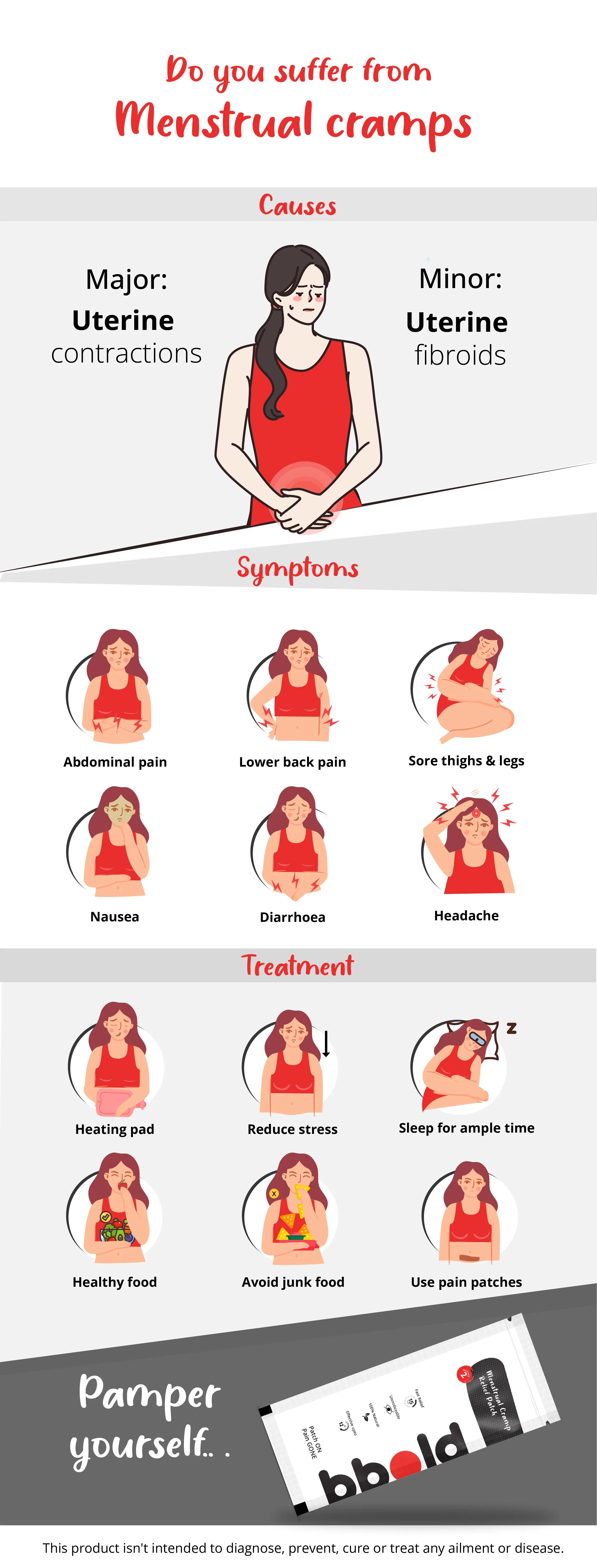
Common symptoms may include:
- Feeling unusually tired
- Increased sleepiness
- Reduced motivation
- Heavy body sensation
- Mental fatigue
- Difficulty focusing
- Irritability
- Body aches
For some women, these symptoms may begin before menstruation starts.
PMS Fatigue Before Periods
Premenstrual syndrome (PMS) may also contribute to fatigue due to hormonal shifts before menstruation. PMS fatigue is commonly associated with:
- Mood changes
- Bloating
- Cravings
- Sleep changes
- Emotional sensitivity
These symptoms may temporarily affect daily routines and energy levels.
How Lifestyle Habits Influence Period Energy
Daily habits often play a major role in how the body responds during menstruation.
Sleep and Recovery Matter
Lack of proper sleep may worsen tiredness during periods and reduce the body's ability to recover from hormonal fluctuations.
Poor sleep may also affect:
- Emotional balance
- Focus
- Stress management
- Physical energy
Women experiencing regular menstrual fatigue may benefit from improving sleep consistency.
Nutrition and Hydration Support
Balanced meals and hydration may help support energy balance during menstruation.
Healthy habits may include:
- Eating iron-rich foods
- Drinking enough water
- Including protein-rich meals
- Avoiding excessive processed foods
- Maintaining regular meal timings
Skipping meals may sometimes worsen energy loss during periods.
Wellness Tips That May Help Reduce Period Fatigue
Small lifestyle adjustments may help support better comfort during menstruation.
Healthy Habits for Managing Menstrual Fatigue
Women may benefit from:
- Gentle physical activity
- Stretching or walking
- Stress management practices
- Consistent sleep routines
- Balanced nutrition
- Taking short rest breaks when needed
Even moderate self-care habits may positively influence overall menstrual wellness.
Why Listening to Your Body Is Important
Some cycles naturally require more rest and recovery than others. Paying attention to physical and emotional changes may help women better support their overall wellbeing during menstruation.
Understanding Women's Hormonal Wellness
Hormonal health affects more than just periods. It also influences emotional wellbeing, sleep, energy, metabolism, and reproductive health.
Why Hormonal Awareness Matters
Tracking cycle-related symptoms such as fatigue, mood changes, or sleep disruption may help women better understand their hormonal patterns and wellness needs.
Ignoring persistent exhaustion may sometimes delay proper care or lifestyle adjustments.
When Medical Advice May Be Helpful
Professional evaluation may be important if fatigue becomes:
- Severe
- Persistent across multiple cycles
- Associated with heavy bleeding
- Linked to dizziness or weakness
- Affecting daily activities significantly
Underlying health conditions may sometimes contribute to ongoing fatigue.
Common User Questions About Period Fatigue
Is it normal to feel tired during periods?
Yes. Mild fatigue is common during menstruation because of hormonal and physical changes.
Why are some periods more exhausting?
Stress, sleep quality, diet, hydration, and hormonal fluctuations may affect each cycle differently.
Can stress worsen menstrual fatigue?
Yes. Stress may affect hormonal balance, emotional wellbeing, and sleep, which can increase period tiredness.
How can women support energy levels during menstruation?
Balanced nutrition, hydration, sleep, and stress management may help support better energy during periods.
FAQ's
What causes period fatigue?
Period fatigue may result from hormonal changes, blood loss, stress, poor sleep, or nutritional imbalance.
Why do I feel exhausted before my period?
Hormonal fluctuations linked to PMS may contribute to tiredness and low energy before menstruation begins.
Can dehydration worsen menstrual fatigue?
Yes. Poor hydration may contribute to weakness, headaches, and lower energy levels.
Is menstrual fatigue the same every month?
No. Lifestyle factors, stress, and hormonal variations may cause fatigue levels to change between cycles.
Can nutrition affect period energy levels?
Yes. Balanced nutrition may help support energy and overall hormonal wellness during menstruation.
Should severe fatigue during periods be medically checked?
Persistent or severe exhaustion should be evaluated by a healthcare professional.
Key Takeaways
- Period fatigue may vary from month to month
- Hormonal fluctuations influence energy and mood
- Stress, poor sleep, and nutrition may worsen menstrual fatigue causes
- PMS fatigue commonly affects women before menstruation
- Healthy wellness habits may support women's hormonal health
Conclusion
Some menstrual cycles naturally feel more physically and emotionally exhausting than others because hormonal changes interact closely with sleep, stress, nutrition, hydration, and lifestyle patterns. While mild tiredness during menstruation is common, ongoing fatigue can affect overall comfort, mood, productivity, and daily wellbeing if not properly managed.
Supporting women's hormonal health through balanced routines, proper rest, hydration, and mindful self-care may help improve energy levels and menstrual comfort over time. Paying attention to cycle-related changes can also help women better understand their body's evolving wellness needs.
For women looking for wellness-focused support related to period fatigue, women's hormonal health, and everyday self-care, BBOLD Women's Wellness Products offers women-centric wellness solutions designed to support modern lifestyle, intimate wellness, and overall feminine care needs.
Building healthier wellness habits and prioritising self-care may help women feel more balanced, confident, and supported throughout every stage of their menstrual cycle.
Written by -
Share On