05 Feb, 2026
Microneedle Acne Patches vs Pimple Patches: Which Is Faster?
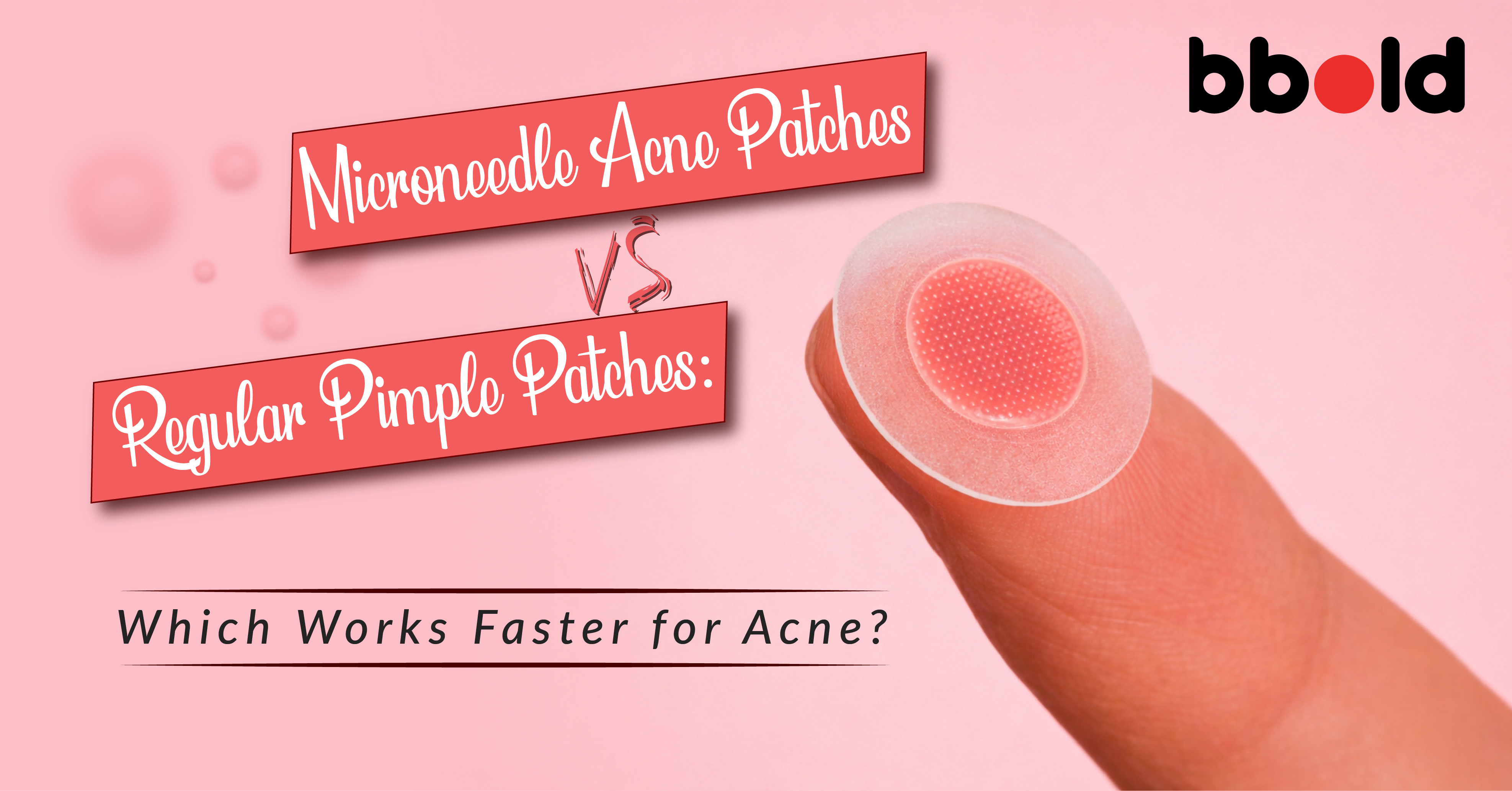
When acne appears, most people want fast, visible results. While regular pimple patches have long been a popular spot-care option, microneedle acne patches are emerging as a more advanced solution—especially for deeper, stubborn breakouts. The key difference lies in how they work: microneedle patches target acne beneath the skin’s surface, often delivering quicker, more focused results than standard hydrocolloid patches.
Understanding Acne Patches – What Are They and How Do They Work?
Acne patches are small, adhesive patches designed to be applied directly on pimples. They act as a protective cover while supporting the skin’s natural recovery process.
What Are Regular Pimple Patches?
Regular pimple patches, commonly made from hydrocolloid material, work by:
- Absorbing excess fluid from surface-level pimples
- Protecting the area from bacteria and touching
- Reducing redness caused by irritation
They are especially popular as acne patches for whiteheads.
What Are Microneedle Acne Patches?
Microneedle acne patches use tiny, dissolvable microstructures that gently penetrate the top layer of skin. These patches are designed to:
- Reach active acne beneath the surface
- Deliver targeted ingredients directly where needed
- Work effectively on early-stage or deeper pimples
This innovation makes microneedle pimple patches a preferred option for more persistent acne.
Microneedle Acne Patch vs Pimple Patch – Key Differences
| Feature | Regular Pimple Patches | Microneedle Acne Patches |
|---|---|---|
| Best for | Whiteheads, surface pimples | Early, deep, or painful acne |
| Technology | Hydrocolloid absorption | Dissolvable microneedles |
| Depth of action | Surface-level | Beneath skin surface |
| Speed | Gradual | Faster, targeted action |
| Visibility | Mostly overnight | Noticeable improvement sooner |
This acne patches comparison shows why microneedle options are often chosen when speed matters.
Which Acne Patch Works Faster?
Speed of Results with Regular Pimple Patches
Hydrocolloid patches work well when:
- A whitehead has already formed
- Fluid is present on the surface
They gradually flatten the pimple, usually overnight or within 24 hours. However, they may not be effective for deeper acne.
Speed of Results with Microneedle Acne Patches
Microneedle acne patches are designed to act earlier in the acne lifecycle. Because they work beneath the surface:
- Inflammation can reduce faster
- Pain and swelling may calm sooner
- The pimple is less likely to worsen
This makes them one of the best acne patches for pimples that are just forming or feel tender under the skin.
Choosing the Right Patch for Different Types of Acne
Acne Patches for Whiteheads
For visible whiteheads:
- Hydrocolloid pimple patches work effectively
- They absorb fluid and protect healing skin
Acne Patch for Active Acne
For acne that feels sore, red, or inflamed:
- Microneedle acne patches are more suitable
- They target the root of the breakout early
Pimple Patch for Cystic Acne
While no patch replaces professional care for cystic acne, microneedle pimple patches may help calm early-stage cystic spots by addressing inflammation beneath the skin.
Why Microneedle Acne Patches Are Gaining Popularity in India
Indian consumers are increasingly seeking:
- Targeted skincare solutions
- Minimal-touch acne care
- Products that fit into busy routines
Microneedle patches align well with these needs because they are:
- Easy to use
- Discreet under clothing or overnight
- Focused on early intervention
This has made microneedle acne patches a fast-growing category in modern acne care.
How to Use Acne Patches Correctly (Step-by-Step)
Using Regular Pimple Patches
- Cleanse and dry the skin
- Apply patch on a visible whitehead
- Leave on for 6–8 hours or overnight
- Remove gently and cleanse again
Using Microneedle Acne Patches
- Clean and dry the affected area
- Apply the patch directly on the pimple
- Press gently to secure
- Leave on for recommended hours
- Allow microneedles to dissolve naturally
This routine supports faster results, especially for active acne.
Microneedle vs Hydrocolloid – Which Should You Keep Handy?
The answer depends on your acne type.
- Keep hydrocolloid pimple patches for whiteheads and post-pimple care
- Choose microneedle acne patches for early-stage, painful, or under-the-skin pimples
Many people include both in their skincare routine for complete coverage.
FAQs – Acne Patches Comparison
Can I use microneedle acne patches daily?
Yes, they are designed for occasional spot use when acne appears.
Do regular pimple patches work on cystic acne?
They are less effective for deep acne and work best on surface-level pimples.
Which acne patch is better for early pimples?
Microneedle acne patches are more suitable for early or painful breakouts.
Can acne patches be worn during the day?
Yes, many patches are discreet enough for daytime use.
Final Verdict – Which Acne Patch Works Faster?
If speed and depth matter, microneedle acne patches generally work faster for active and developing acne by targeting the problem beneath the surface. Regular pimple patches remain useful for surface-level whiteheads and healing support.
For quicker action on stubborn pimples, microneedle acne patches offer a more advanced, targeted approach to acne care.
Written by -
Share On