14 Aug, 2026
Why Self-Care During Your Menstrual Cycle Looks Different for Every Woman
No two women experience their menstrual cycle in exactly the same way. While some women may feel only mild discomfort during their periods, others may experience fatigue, mood fluctuations, cramps, bloating, sleep disturbances, or emotional sensitivity that affect daily routines and overall wellbeing.
Because hormonal patterns, lifestyle habits, stress levels, physical health, and emotional needs differ from person to person, menstrual self-care also naturally varies between women. What feels supportive and comforting for one woman during her cycle may not feel the same for another.
Understanding these differences may help women build healthier, more personalised self-care routines that support menstrual wellness, emotional comfort, and hormonal balance more effectively.
This article explains why self-care during periods is highly individual, how hormonal changes influence wellness needs, and practical ways women may support themselves throughout different phases of the menstrual cycle.
Why Every Menstrual Cycle Feels Different
The menstrual cycle involves ongoing hormonal fluctuations that affect both physical and emotional wellbeing.
Why Does Menstrual Self-Care Differ for Every Woman?
Menstrual self-care differs because every woman experiences hormonal changes, stress levels, lifestyle habits, energy patterns, and physical symptoms differently throughout the menstrual cycle.
Hormonal Changes Affect More Than Periods
Hormones such as estrogen and progesterone influence several body functions, including
- Mood balance
- Energy levels
- Sleep quality
- Appetite
- Emotional sensitivity
- Physical comfort
This is why women’s wellness during periods may look different from one individual to another.
Common Physical and Emotional Changes During Menstruation
Menstrual symptoms can vary not only between women but also between cycles.
Physical Symptoms Women May Experience
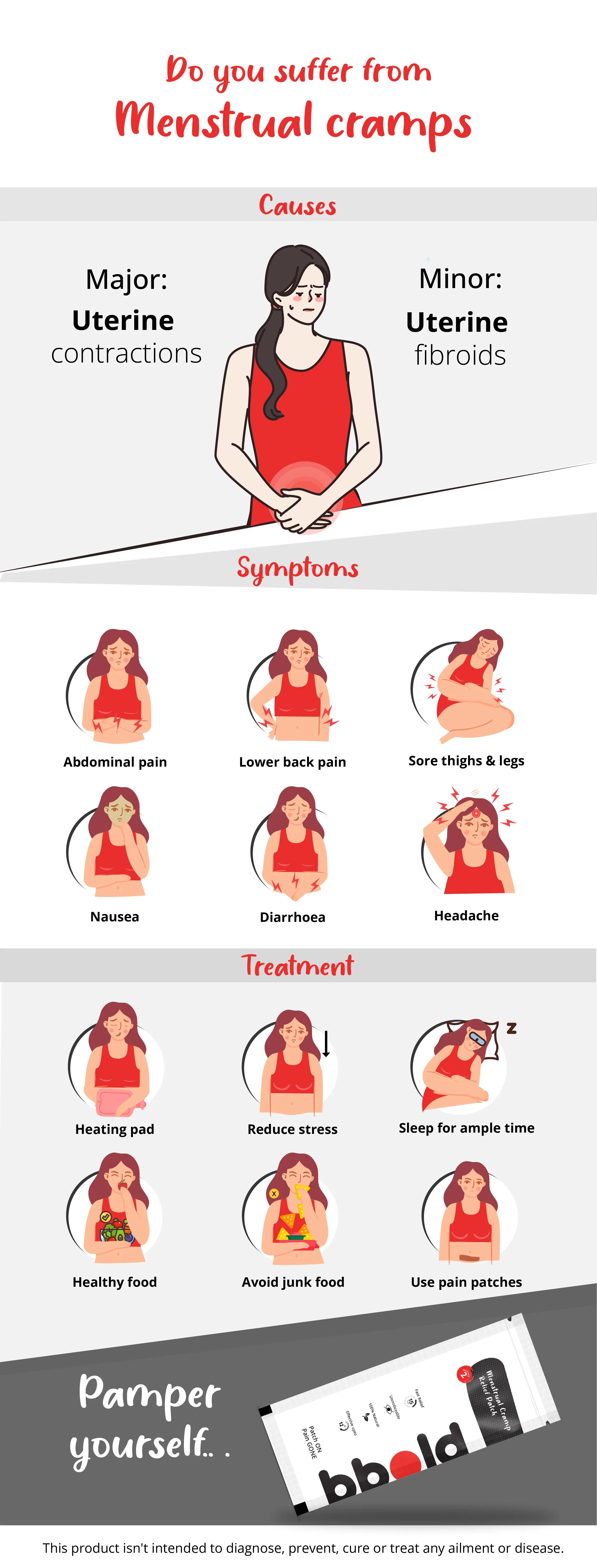
Some common menstrual symptoms include
- Cramps
- Bloating
- Fatigue
- Body aches
- Breast tenderness
- Low energy
- Headaches
The intensity of these symptoms may change from month to month.
Emotional Changes Linked to Hormonal Fluctuations
Hormonal changes may also affect emotional wellbeing, leading to
- Mood swings
- Irritability
- Emotional sensitivity
- Stress
- Mental fatigue
- Difficulty concentrating
This connection between hormones and emotional health explains why self-care during periods often requires both physical and emotional support.
Why Personalised Menstrual Self-Care Matters
There is no single “correct” self-care routine that works for every woman.
Different Women Have Different Wellness Needs
Factors that may influence menstrual wellness include
- Work schedules
- Sleep quality
- Diet
- Stress levels
- Physical activity
- Existing health conditions
- Emotional wellbeing
As a result, period comfort care routines naturally vary between individuals.
Listening to Your Body Is Important
Some women may need
- More physical rest
- Stress reduction
- Gentle exercise
- Emotional downtime
- Additional hydration
- Nutritional support
Recognising these changing needs may help support better menstrual cycle wellness over time.
Lifestyle Habits That May Support Menstrual Wellness
Small wellness habits may positively influence comfort during menstruation.
Period Self-Care Tips for Everyday Wellness
Women may benefit from
- Staying hydrated
- Getting adequate sleep
- Maintaining balanced meals
- Gentle stretching or walking
- Taking breaks when needed
- Managing stress levels
- Avoiding excessive physical strain
These healthy routines may help support overall hormonal wellness for women.
Why Rest and Recovery Matter
Many women continue pushing through exhaustion during menstruation without giving the body enough time to recover.
Allowing flexibility during more physically demanding cycles may help support emotional and physical wellbeing.
Menstrual Wellness and Emotional Health
Emotional wellbeing is an important but often overlooked part of menstrual care.
Stress and Hormonal Wellness
Stress may influence hormonal balance and contribute to
- Increased fatigue
- Sleep difficulties
- Mood changes
- Emotional exhaustion
Women’s intimate wellness and emotional health are closely connected throughout the menstrual cycle.
Why Self-Care Is More Than Physical Comfort
Menstrual self-care may also involve
- Mental relaxation
- Emotional support
- Healthy boundaries
- Restorative routines
- Personal comfort practices
Wellness approaches may therefore differ depending on each woman’s emotional and physical needs.
Understanding Women’s Intimate Wellness
Menstrual wellness is part of broader women’s health and self-care awareness.
Why Women’s Wellness Awareness Is Growing
More women are recognising the importance of
- Hormonal wellness
- Intimate care
- Emotional wellbeing
- Menstrual comfort
- Lifestyle balance
This growing awareness encourages healthier conversations around women’s health needs.
When Professional Advice May Be Helpful
Medical guidance may be important if menstrual symptoms become
- Severe
- Persistent
- Emotionally overwhelming
- Disruptive to daily life
Women should not ignore symptoms that significantly affect overall wellbeing.
Common User Questions About Menstrual Self-Care
Why do periods affect women differently?
Hormones, lifestyle, stress, sleep, and physical health all influence menstrual experiences differently.
Is it normal for self-care needs to change every cycle?
Yes. Energy levels, mood, and physical symptoms may vary between menstrual cycles.
Can stress worsen menstrual symptoms?
Yes. Stress may affect hormonal balance and increase fatigue or emotional sensitivity.
What are simple period self-care tips?
Hydration, balanced meals, sleep, gentle movement, and stress management may support menstrual wellness.
FAQ’s
What is menstrual self-care?
Menstrual self-care refers to habits and routines that support comfort and wellbeing during the menstrual cycle.
Why do some women experience stronger period symptoms?
Hormonal fluctuations, stress, sleep quality, and lifestyle factors may influence symptom intensity.
Can emotional health affect menstrual wellness?
Yes. Emotional stress may influence hormonal balance and menstrual comfort.
How can women support hormonal wellness naturally?
Healthy sleep, hydration, nutrition, and stress management may support hormonal health.
Is rest important during periods?
Yes. Rest and recovery may help support physical comfort and emotional balance during menstruation.
Should severe menstrual discomfort be ignored?
Persistent or severe symptoms should be medically evaluated.
Key Takeaways
- Menstrual self-care varies for every woman
- Hormonal changes affect both physical and emotional wellbeing
- Women’s wellness during periods depends on lifestyle and health factors
- Emotional wellbeing is an important part of menstrual wellness
- Personalised self-care routines may support better hormonal balance and comfort
Conclusion
Every woman experiences her menstrual cycle differently, which is why self-care during periods should never be treated as a one-size-fits-all routine. Hormonal fluctuations, emotional wellbeing, lifestyle habits, stress levels, and physical symptoms may all influence what the body needs during different phases of the cycle.
Creating personalised menstrual self-care habits that prioritise rest, hydration, emotional balance, and overall comfort may help women better support their hormonal wellness and daily wellbeing. Listening to the body’s changing needs is an important part of long-term women’s health awareness.
For women exploring menstrual wellness support, women’s intimate wellness, and lifestyle-focused self-care solutions, BBOLD Women’s Wellness Products offers women-centric wellness products designed to support feminine care, intimate wellness, and modern women’s lifestyle needs.
Prioritising personalised self-care and hormonal wellness may help women feel more comfortable, balanced, and confident throughout every stage of their menstrual cycle.
Written by -
Share On