14 Mar, 2026
Menstrual Disc for Women: Benefits, Use & Care Guide
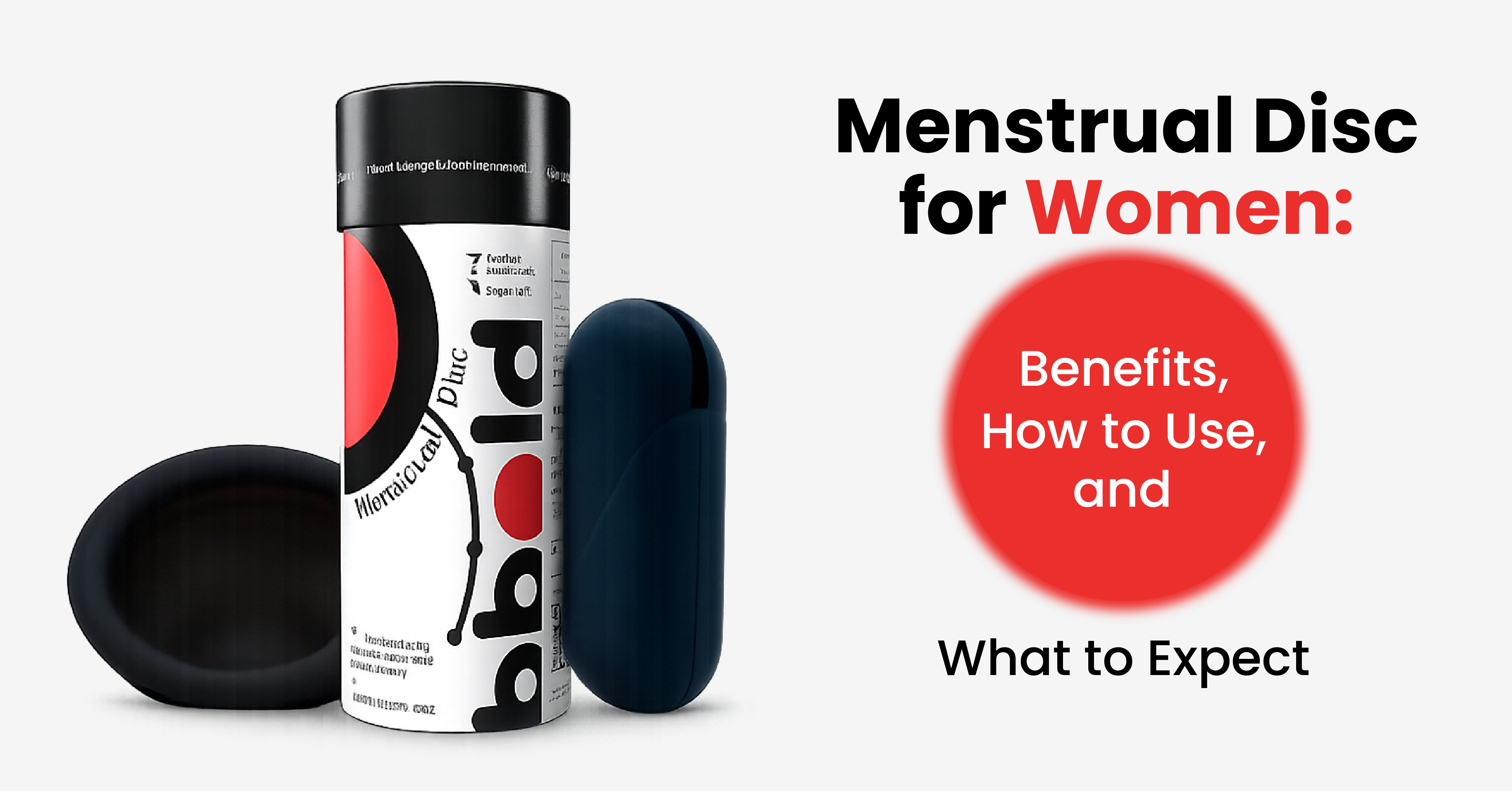
A menstrual disc for women is a modern period care option designed to collect menstrual flow comfortably and discreetly. Unlike pads or tampons, a reusable menstrual disc sits higher in the vaginal canal and can be worn for up to 12 hours. It offers leak protection, freedom of movement, and a more flexible period experience for women seeking long-lasting comfort.
What Is a Menstrual Disc?
A menstrual disc is a soft, flexible disc made from medical-grade silicone that collects menstrual flow rather than absorbing it. It is positioned below the cervix and rests in the vaginal fornix, staying in place without causing pressure or dryness.
This form of menstrual disc period care is gaining popularity in India as more women explore reusable, body-friendly alternatives to traditional products.
Why More Women Are Choosing Menstrual Discs
Modern period care is evolving, and many women are rethinking how they manage their cycle.
In India, common concerns include:
- Long work or travel hours
- Limited access to washrooms
- Sensitivity to disposable products
- Desire for reusable and cost-effective options
A reusable menstrual disc addresses these needs by offering extended wear, flexibility, and comfort.
Menstrual Disc vs Traditional Period Products
Understanding how a menstrual disc differs from pads and tampons helps set the right expectations.
| Feature | Pads | Tampons | Menstrual Disc |
|---|---|---|---|
| Wear time | 4–6 hours | 4–6 hours | Up to 12 hours |
| Internal dryness | |||
| Reusable | |||
| Movement freedom | |||
| Leak protection |
This comparison shows why menstrual disc period care is considered a more flexible option for long days.
Key Menstrual Disc Benefits
A well-designed menstrual disc for women offers several practical advantages.
Extended Wear Time
Many menstrual discs are suitable for use for up to 12 hours, making them ideal for:
- Workdays
- Travel
- Overnight use
Comfortable and Soft Fit
Made from 100% medical-grade silicone, the disc is soft, flexible, and adapts to body movement without discomfort.
Leak Protection
When positioned correctly, a menstrual disc offers reliable leak protection, allowing women to go about their day with confidence.
Reusable and Cost-Effective
A reusable menstrual disc can be used across multiple cycles, reducing long-term costs and waste.
No Interference with Daily Activities
Once inserted properly, most users don't feel the disc at all, making it suitable for exercise, travel, and everyday routines.
How to Use a Menstrual Disc (Step-by-Step)
Learning how to use a menstrual disc correctly is key to comfort and confidence.
Insertion Steps
- Wash your hands thoroughly
- Pinch the disc in half
- Insert it gently into the vaginal canal
- Push it back and down until it sits below the cervix
- Ensure the front rim rests securely behind the pubic bone
The disc should feel secure and comfortable when placed correctly.
Removal Steps
- Wash your hands
- Sit or squat comfortably
- Hook a finger under the rim
- Gently pull the disc out
- Empty, rinse, and clean as recommended
With practice, insertion and removal become easier over time.
What to Expect When Using a Menstrual Disc for the First Time
First-time users often have questions—and that's completely normal.
Initial Learning Curve
It may take one or two cycles to get comfortable with placement. This is part of the adjustment process.
Feeling Secure
Once positioned correctly, many women report forgetting they're even on their period.
Managing Flow
Menstrual discs are suitable for light to heavy flow, but checking periodically helps build confidence during early use.
Choosing the Right Menstrual Disc
When choosing the right menstrual disc, consider:
- Soft, flexible design
- Medical-grade silicone material
- Comfortable rim size
- Reusability and durability
A thoughtfully designed menstrual disc for women focuses on comfort, ease of use, and reliable performance.
Who Is a Menstrual Disc Best Suited For?
A menstrual disc can be a good option for:
- Women seeking long wear time
- Those looking for reusable period care
- Active individuals
- Travellers and professionals with long schedules
It supports a more adaptable approach to menstrual disc period care.
FAQs – Menstrual Disc for Women
What is a menstrual disc used for?
A menstrual disc collects menstrual flow internally and provides long-lasting period protection.
Is a reusable menstrual disc safe to use?
When used as directed and cleaned properly, it is suitable for regular menstrual care.
How long can I wear a menstrual disc?
Most menstrual discs can be worn for up to 12 hours, depending on flow.
Is a menstrual disc comfortable?
Yes. When positioned correctly, it is designed to feel soft and comfortable.
Can beginners use a menstrual disc?
Yes. There may be a short learning curve, but many beginners adapt within a few cycles.
Conclusion – Is a Menstrual Disc Worth Trying?
A menstrual disc for women offers a modern, flexible way to manage periods. With benefits like extended wear, comfort, and reusability, it fits well into today's busy lifestyles. While there may be a small learning curve, many women find menstrual discs to be a convenient and confidence-boosting addition to their period care routine.
If you're exploring reusable and comfortable period care options, a menstrual disc can be a practical choice worth considering.
Written by -
Share On