22 Mar, 2026
Menstrual Cramp Relief Patches: How They Work, Benefits & How to Use Them Effectively
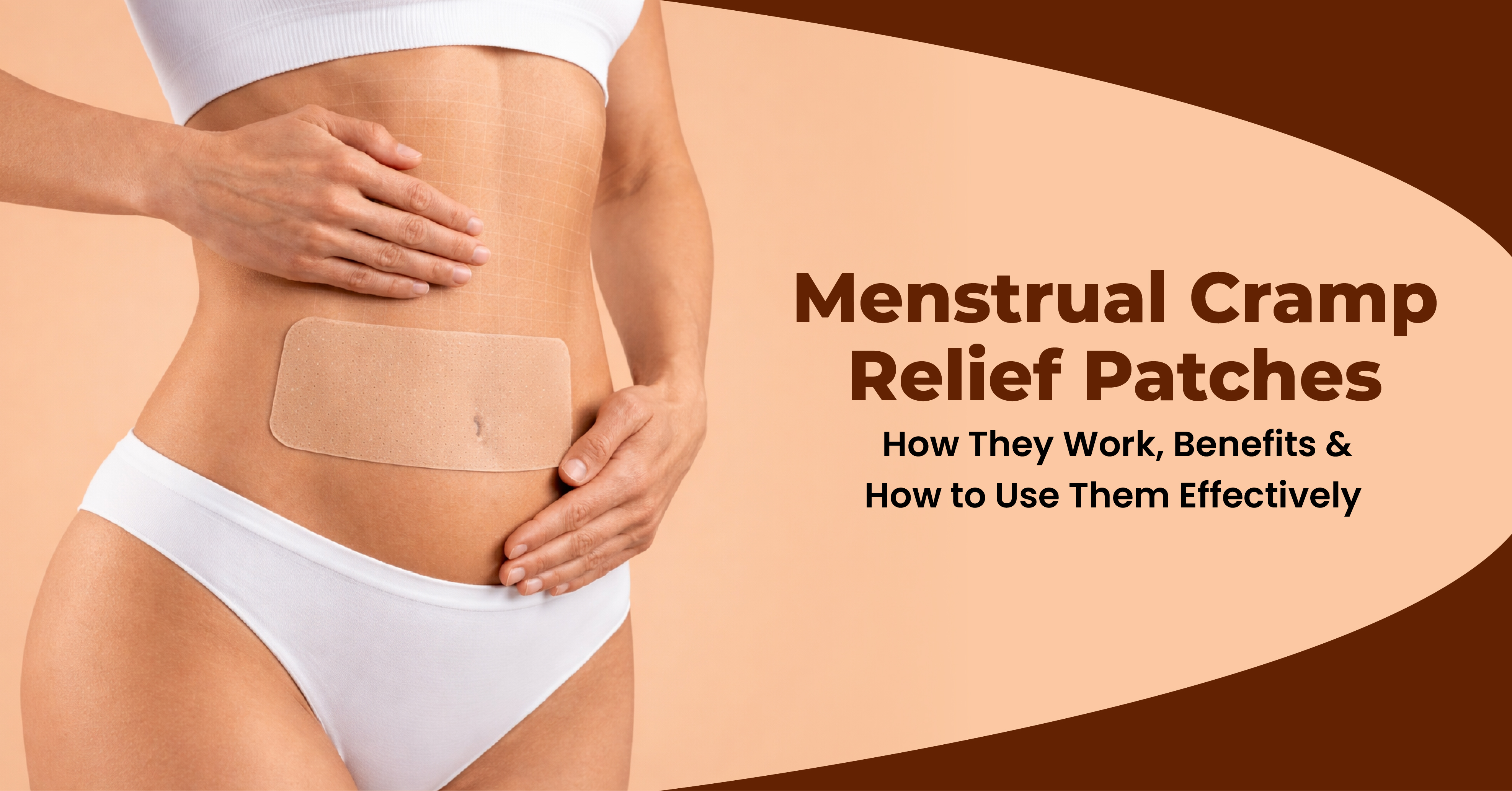
Period cramps are one of the most common discomforts experienced during menstruation. While many people rely on home remedies or pain-relief tablets, newer solutions like menstrual cramp relief patches offer a convenient, non-oral option for managing pain—especially when you’re at work, travelling, or simply want targeted comfort.
This guide explains how menstrual cramp relief patches work, their benefits, and how to use them effectively for better period pain management.
What Are Menstrual Cramp Relief Patches?
Menstrual Cramp Relief Patches are thin, adhesive patches designed to be applied directly to the lower abdomen or lower back. They provide localized relief from menstrual pain without the need for ingestion.
Unlike tablets, a period pain relief patch works externally, making it suitable for people who prefer non-oral solutions or want pain relief while on the move.
How Menstrual Cramp Relief Patches Work
Understanding how menstrual cramp relief patches work helps you use them more effectively.
Targeted Comfort Through Active Ingredients
Unlike heating pads, a menstrual pain relief patch works through carefully selected active ingredients that are absorbed through the skin. These ingredients help provide localized comfort to the lower abdomen or back—where menstrual cramps are commonly felt.
Improved Blood Flow
The warming sensation encourages better blood circulation in the applied area, which may reduce cramping intensity and stiffness.
Continuous, Hands-Free Relief
Once applied, a menstrual cramp relief patch delivers steady comfort for several hours—no reapplication, no interruption.
Benefits of Menstrual Cramp Relief Patches
Here’s why many women are switching to patches for period pain relief:
Non-Oral & Drug-Free Approach
Ideal for those who prefer avoiding tablets or experience stomach sensitivity during periods.
Discreet & Easy to Use
Slim design allows patches to be worn under clothing without being visible.
Long-Lasting Support
A single patch can provide relief for several hours, making it practical for workdays or travel.
Targeted Application
Acts exactly where discomfort occurs—unlike general pain relief methods.
How to Use Menstrual Cramp Relief Patches Effectively
Follow these simple steps to get the best results from your menstrual cramp relief patch:
- Clean and dry the skin before application.
- Peel off the backing carefully.
- Apply to the lower abdomen or lower back.
- Press gently to ensure it sticks well.
- Leave on for the recommended duration.
Tip: Avoid applying over irritated or broken skin.
When Should You Use a Period Pain Relief Patch?
- At the first sign of cramps.
- During long work or travel hours.
- When you need discreet relief outside home.
- As part of your regular menstrual care routine.
Choosing the Best Menstrual Cramp Relief Patch
When selecting the best menstrual cramp relief patch, look for:
- Skin-friendly adhesive that stays in place without causing discomfort.
- Effective active ingredients designed for targeted period comfort.
- Flexible design that moves naturally with your body.
- Safe materials suitable for sensitive skin.
- A non-greasy, lightweight feel for all-day wear.
Products like bbold Menstrual Cramp Relief Patch are designed for everyday comfort, offering targeted relief without interfering with your routine.
Frequently Asked Questions (FAQs)
Are menstrual cramp relief patches safe for regular use?
Yes, when used as directed, menstrual cramp relief patches are generally safe for regular use.
How long does one patch last?
Most patches provide relief for 6–8 hours, depending on the product.
Can I use it while sleeping?
Some patches are suitable for overnight use. Always follow the product instructions.
Do menstrual pain relief patches work for back pain too?
Yes, many women apply patches to the lower back for additional comfort.
Final Thoughts
Period pain doesn’t have to disrupt your day. Menstrual cramp relief patches offer a simple, effective, and discreet way to manage discomfort—without tablets or complicated routines.
When used correctly, they can be a valuable addition to your menstrual care essentials. Whether you’re at home, work, or travelling, a well-designed period pain relief patch helps you stay comfortable and confident throughout your cycle.
Written by -
Share On