18 Mar, 2026
The Importance of Hygiene: How Toilet Seat Disinfectant Spray Can Transform Your Bathroom Routine
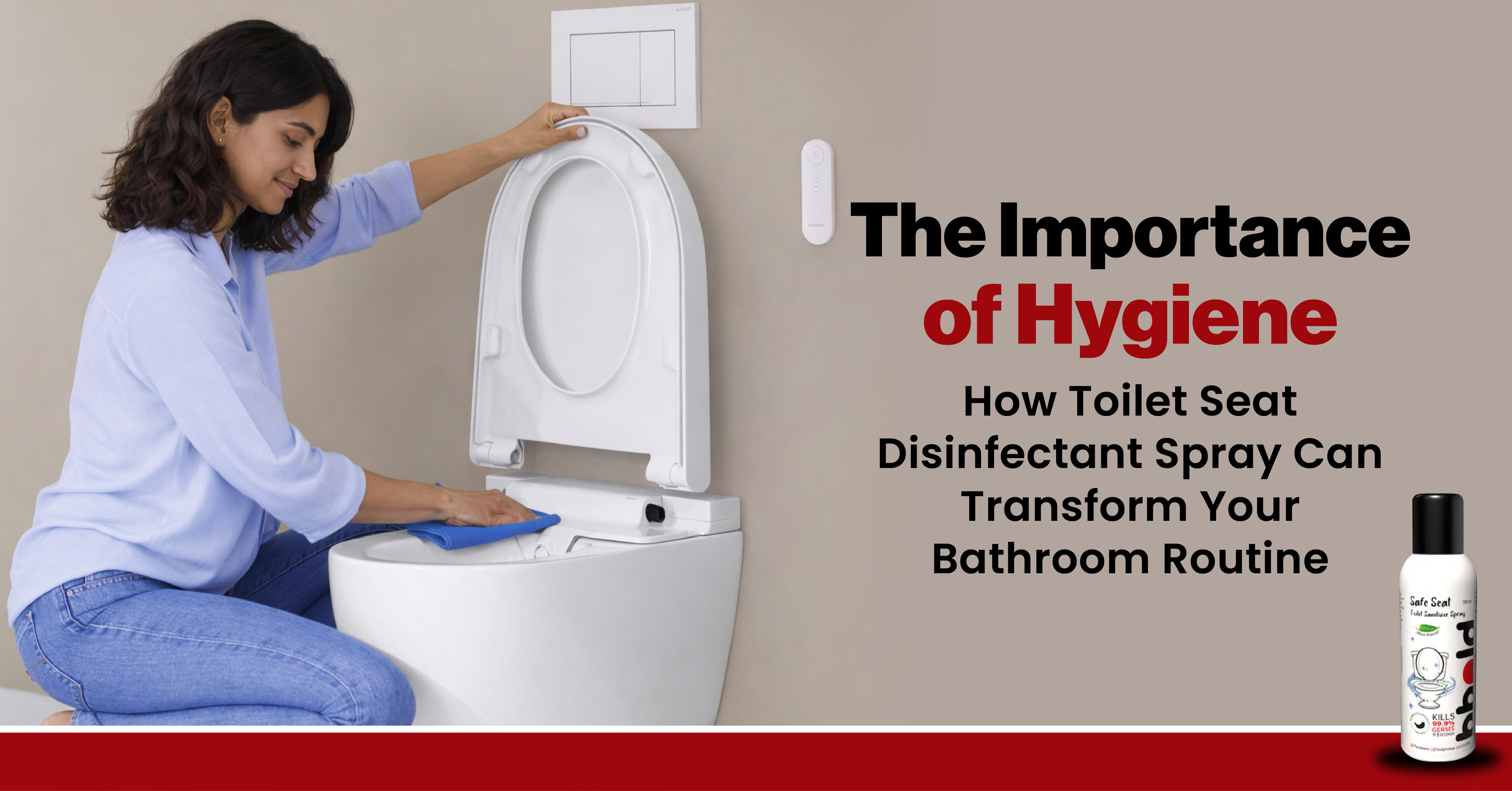
Maintaining hygiene, especially outside the home, is essential for everyday comfort and confidence. Public toilets may look clean, but invisible germs can still be present on frequently touched surfaces. Using a toilet seat disinfectant spray as part of your routine helps improve toilet seat hygiene, offering a quick, practical way to feel safer and more comfortable in shared washrooms.
Why Toilet Seat Disinfectant Spray Matters
A toilet seat sanitizer spray is designed to sanitise toilet seats quickly before use, especially in public or shared bathrooms. Unlike tissue or water alone, it supports better hygiene by addressing surface-level germs, making it a simple yet effective addition to modern travel hygiene essentials.
Why Hygiene Should Be a Daily Priority—Not an Afterthought
Hygiene plays a vital role in how we feel throughout the day. Whether commuting, travelling, or working long hours, access to clean washrooms isn’t always guaranteed.
In India, people commonly use public toilets in:
- Offices and co-working spaces
- Shopping centres and cinemas
- Airports, railway stations, and highways
- Cafés, restaurants, and petrol pumps
This makes hygiene in public toilets a real and everyday concern, not just an occasional worry.
Common Toilet Hygiene Mistakes People Make
Despite good intentions, many people unknowingly follow habits that don’t fully support hygiene.
Relying Only on Visual Cleanliness
A toilet seat that looks clean may still carry surface germs. Visual checks alone don’t ensure hygiene.
Using Only Tissue Paper
Tissue paper helps remove moisture but does not sanitise the surface, making it insufficient for proper toilet seat hygiene.
Skipping Hygiene Outside Home
Many people are careful at home but ignore toilet hygiene outside home, assuming quick use means lower risk.
These toilet hygiene mistakes highlight the need for better awareness and practical solutions.
Germs on Toilet Seats – What You Should Know
Toilet seats are high-contact surfaces. Germs can transfer through:
- Repeated usage
- Improper cleaning between users
- Contact with hands or clothing
While this doesn’t mean every public toilet is unsafe, it does reinforce the importance of public toilet safety and personal hygiene habits.
What Is a Toilet Seat Disinfectant Spray?
A toilet seat disinfectant spray is a portable hygiene product created specifically for sanitising toilet seats before use.
How It Works
- Sprayed directly onto the toilet seat
- Dries quickly without leaving residue
- Designed for external surface hygiene
A toilet seat cleaning spray is compact, easy to use, and suitable for daily carry—especially when travelling.
How a Toilet Seat Sanitizer Spray Improves Your Routine
Adding a toilet seat sanitizer spray to your routine can significantly improve comfort and confidence.
Supports Better Toilet Seat Hygiene
It offers an extra layer of hygiene beyond tissue or water, especially in shared washrooms.
Quick and Hassle-Free
- No rinsing required
- Takes only seconds
- Ideal for busy schedules
Travel-Friendly Solution
A portable spray fits easily into handbags, backpacks, or travel kits, making it a key part of travel hygiene essentials.
Public Toilet Hygiene vs Home Hygiene – Why the Approach Should Differ
At home, you control cleaning routines. In public spaces, you don’t.
| Aspect | Home Toilet | Public Toilet |
|---|---|---|
| Cleaning control | ||
| Number of users | Limited | High |
| Surface contact | Familiar | Shared |
| Hygiene risk | Lower | Higher |
This difference explains why a toilet seat disinfectant spray is especially useful outside the home.
How to Use a Toilet Seat Cleaning Spray Correctly
Using the spray correctly ensures better hygiene support.
Step-by-Step Guide
- Shake the bottle if required
- Spray evenly on the toilet seat surface
- Allow it to air dry for a few seconds
- Use the seat as usual
This simple habit supports better public toilet hygiene without disrupting your routine.
Who Should Always Carry a Toilet Seat Sanitizer Spray?
A toilet seat sanitizer spray is especially helpful for:
- Women who frequently use public washrooms
- Office-goers and daily commuters
- Travellers and road-trippers
- Parents managing hygiene for children
It offers peace of mind in situations where cleanliness is uncertain.
FAQs – Toilet Seat Hygiene & Disinfectant Sprays
Why is toilet seat hygiene important in public places?
Public toilets are shared by many users, making surface hygiene an important part of personal care.
Is tissue paper enough for cleaning a toilet seat?
Tissue removes visible moisture but does not sanitise the surface effectively.
Can I use a toilet seat disinfectant spray daily?
Yes, when used as directed, it is suitable for regular surface hygiene.
Does a toilet seat sanitizer spray leave residue?
Most sprays dry quickly and are designed not to leave sticky residue.
Is a toilet seat cleaning spray travel-friendly?
Yes, portable formats are ideal for handbags and travel kits.
Conclusion – A Small Step That Makes a Big Hygiene Difference
Hygiene isn’t just about cleanliness—it’s about confidence and comfort wherever you go. While public toilets are unavoidable, poor hygiene doesn’t have to be. A toilet seat disinfectant spray transforms your bathroom routine by offering a quick, reliable way to support toilet seat hygiene, especially outside the home.
Adding a toilet seat sanitizer spray to your daily essentials is a simple step towards safer, smarter hygiene in public spaces.
Written by -
Share On